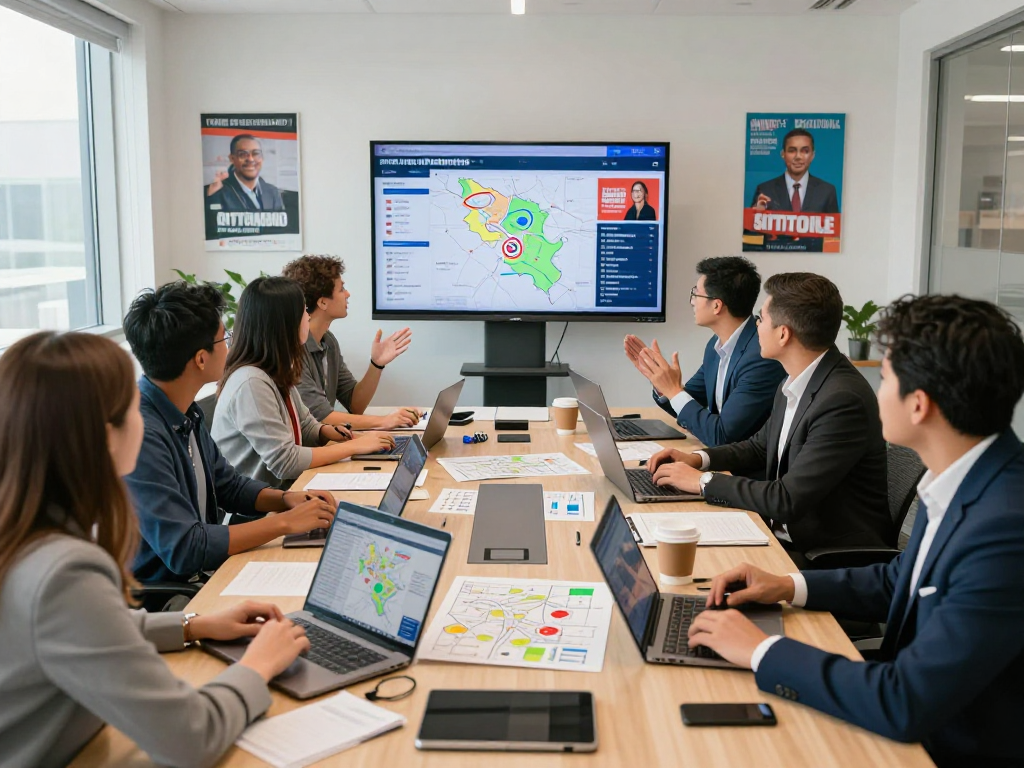
Understanding Geofencing Political Advertising
In the rapidly evolving landscape of political campaigns, the use of technology has become paramount for success. One of the most impactful tools in this sphere is geofencing political advertising. This cutting-edge strategy allows campaigns to target voters based on their physical location, creating highly relevant and timely connections. As we delve into the mechanics of geofencing, we will explore its role in political campaigns, the benefits it offers, and how to measure its success effectively. When exploring options, geofencing political advertising provides comprehensive insights that can transform your campaign strategy.
What is Geofencing and Its Role in Political Campaigns?
Geofencing is a location-based service that uses GPS or RFID technology to create virtual boundaries around specific geographic areas. In the context of political advertising, it enables campaigns to trigger targeted ads to mobile devices located within these predefined areas. For example, a campaign can send messages to potential voters attending a local event or rally, ensuring that the information is highly relevant and timely.
This technique not only enhances voter engagement but also allows campaigns to track the effectiveness of their outreach efforts. By using data analytics, campaigns can understand which ads performed well in specific locations and adjust their strategies accordingly. Geofencing is particularly useful in highly contested districts where every vote counts.
Benefits of Geofencing in Targeting Voters
- Precision Targeting: Geofencing allows campaigns to focus on specific demographics in targeted areas, ensuring that ads reach the right audience.
- Increased Engagement: Ads can be tailored to specific locations and events, increasing the likelihood of engagement from voters who are present.
- Cost-Effectiveness: By targeting select areas rather than broader audiences, campaigns can optimize their advertising budgets and reduce waste.
- Real-Time Analytics: Campaigns can receive instant feedback on their ads' performance, allowing for immediate adjustments to improve effectiveness.
Key Metrics to Measure Geofencing Success
To evaluate the effectiveness of geofencing campaigns, it’s essential to track several key metrics:
- Engagement Rate: Measure the number of interactions with the ads, such as clicks or shares, compared to the number of times the ad was displayed.
- Conversion Rate: Track how many users took the desired action, such as signing up for a newsletter or donating, after interacting with the ad.
- Geofence Foot Traffic: Analyze changes in voter traffic in specific locations before and after the campaign to measure its impact.
- Return on Investment (ROI): Calculate the overall effectiveness of the ad spend compared to the campaign outcomes, such as votes gained or funds raised.
Setting Up a Geofencing Strategy
Identifying Your Target Audience
Effective geofencing begins with a deep understanding of your target audience. Who are they? What issues matter most to them? Tailoring your message to resonate with the specific demographics within your chosen geofenced areas is critical. Utilize voter data to identify key segments based on age, interests, and past voting behaviors. By clarifying who your potential voters are, you can create messages that directly speak to their needs and concerns.
Choosing Relevant Geofenced Areas
Determining the right locations to create geofences is equally vital. Consider significant areas where your target audience gathers, such as community centers, schools, or popular local events. Additionally, analyze voter turnout data to identify which regions are critical for your campaign's success. The more relevant the location, the more effective your geofencing strategy will be in mobilizing voters.
Tools and Technologies for Implementing Geofencing
Numerous platforms are available for implementing geofencing effectively. Tools like Google Ads and specialized political advertising platforms offer the ability to set up geofences based on specific geographic criteria. Additionally, integrating these tools with voter databases can enhance targeting accuracy, ensuring that your ads reach the most relevant audience.
Creating Effective Ads for Geofencing
Best Practices for Crafting Engaging Digital Ads
Once your geofencing strategy is in place, the next step is to create engaging content for your ads. Ensure that your messaging is clear and compelling while aligning with the interests of your target demographic. Utilize attention-grabbing visuals and concise text to communicate your message effectively. Incorporating a strong call-to-action will encourage potential voters to engage with your campaign.
Ad Formats and Messaging for Political Campaigns
Experimenting with various ad formats can help optimize engagement. Video ads can capture attention quickly, while static images with strong messaging can be impactful in a crowded space. Additionally, consider the tone of your messaging; ensure it reflects the values and priorities of your campaign while also resonating with local sentiments.
Timing Your Ads for Maximum Impact
Timing plays a crucial role in the success of geofenced advertising. Launch your ads to coincide with local events, holidays, or significant dates that may resonate with your audience. This strategic timing can enhance the relevance of your ads and increase the likelihood of voter engagement.
Integrating Voter Data for Enhanced Targeting
Leveraging Voter Files for Precision Marketing
Utilizing comprehensive voter data is essential for fine-tuning your geofencing strategies. By implementing voter files, campaigns can extract valuable insights about their target demographics. This data allows for more precise advertising, ensuring that messages are tailored to the interests and needs of specific voter segments.
Customizing Campaigns Based on Demographic Insights
Data analytics can provide a wealth of information regarding voter behavior and preferences. Use these insights to customize your messaging and outreach efforts. For instance, if a certain demographic within a geofenced area prioritizes environmental issues, tailor your ads to highlight your campaign’s commitment to sustainability.
Utilizing Analytics to Fine-tune Your Approach
Analytics is your ally in the world of geofencing. Regularly analyze the performance of your ads to make data-driven decisions. Track engagement metrics, adjust targeting parameters, and refine messaging as needed to enhance the effectiveness of your campaign over time.
Future Trends in Geofencing Political Advertising
Predicted Developments for 2026 and Beyond
As technology continues to evolve, the future of geofencing political advertising promises to be dynamic. Innovations in artificial intelligence and machine learning will likely enhance targeting capabilities, ensuring more precise outreach. Expect to see a rise in the use of predictive analytics, enabling campaigns to anticipate voter behavior and tailor strategies proactively.
Integrating Emerging Technologies into Campaigns
Technologies such as augmented reality (AR) and virtual reality (VR) may become more integrated into geofencing campaigns, providing engaging and immersive experiences for voters. This evolution presents unique opportunities for campaigns to stand out in an increasingly crowded political landscape.
Case Studies: Successful Use of Geofencing in Recent Elections
Several recent political campaigns have successfully harnessed the power of geofencing to mobilize voters effectively. For example, during the 2020 elections, numerous campaigns utilized geofencing to reach specific voter demographics attending town halls and rallies. This approach not only heightened voter engagement but also contributed to increased turnout in targeted districts.
In conclusion, geofencing political advertising offers a formidable strategy for modern political campaigns, allowing for precise targeting and effective voter engagement. By harnessing the power of data and innovative technologies, campaigns can optimize their outreach strategies to connect with voters in a meaningful way. As we advance towards future elections, the importance of mastering these techniques will undoubtedly shape political success.