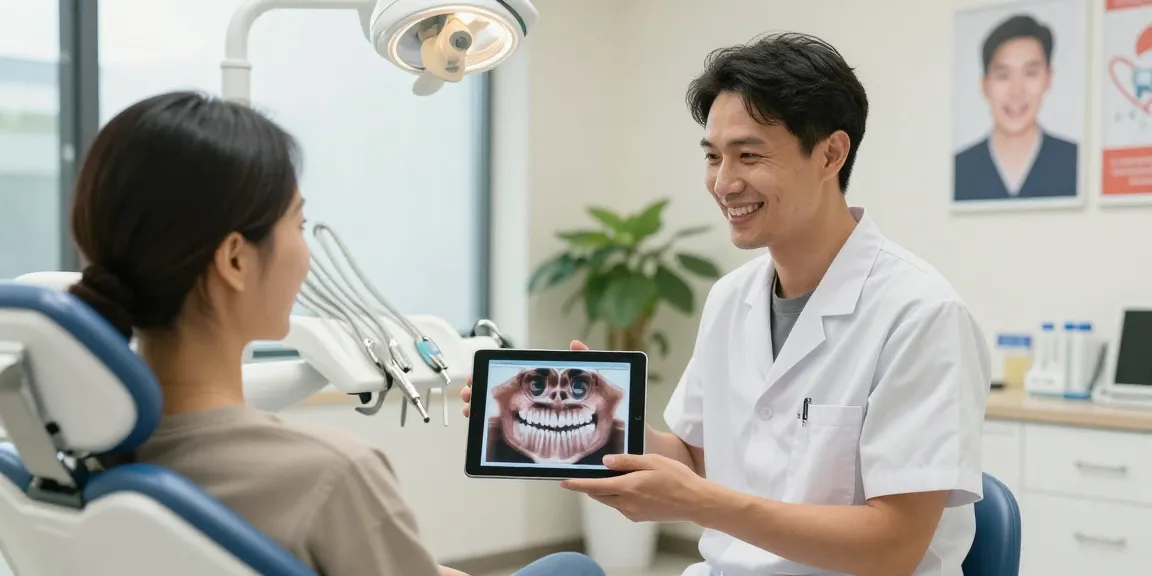
Understanding Your Dental Needs
Your dental health is a key component of your overall well-being. A beautiful smile not only enhances your appearance but also boosts your confidence. Despite its importance, many people neglect their oral health due to a lack of knowledge, fear of dental visits, or simply not knowing how to find the right dentist. Understanding your dental needs can significantly change your experience and results. With Dentee, you have the opportunity to discover more here about your options and make informed choices about your oral care.
Why Dental Health Matters
Dental health is more than just having a nice smile; it affects your entire body. Poor oral hygiene can lead to various health issues, including heart disease, diabetes, and respiratory infections. Regular dental check-ups help detect issues early, and preventive care can save you from costly treatments down the line. Additionally, maintaining good oral health can enhance your social interactions, improve your nutritional intake, and even impact your mental health.
Identifying Common Dental Issues
Awareness of common dental issues is vital for both prevention and treatment. Some prevalent problems include:
- Cavities: One of the most common dental issues caused by plaque buildup, leading to tooth decay.
- Gum Disease: Inflammation of the gums, which can lead to serious complications if untreated.
- Tooth Sensitivity: Often caused by worn enamel or exposed roots, leading to discomfort during hot or cold exposure.
- Bad Breath: Can be a sign of poor dental hygiene or underlying health conditions.
Recognizing these issues early allows you to seek appropriate treatment and maintain optimal oral health.
Personalizing Your Dental Care Plan
Each individual’s dental needs are unique. A personalized care plan should consider your dental history, lifestyle, and specific concerns. A comprehensive dental evaluation can determine the best preventive and treatment options for you. Factors such as diet, personal habits, and even genetics can influence your dental health outcomes.
How to Find a Dentist Near You
Finding the right dentist can seem daunting, but with modern technology, it has never been easier. Here are some effective methods for locating a dental practitioner who meets your needs:
Utilizing Online Resources Effectively
The internet is a powerful tool for discovering local dental professionals. There are numerous platforms dedicated to helping you find qualified dentists based on your location, specialty, and patient reviews. Websites like Dentee provide comprehensive listings, making it easier for you to filter results based on your specific requirements.
Real-Time Appointment Booking Features
One of the most beneficial features that many dental service websites now offer is real-time appointment booking. This allows you to check a dentist’s availability and book an appointment instantly, often with just a few clicks. This convenience removes the frustration of phone calls and waiting for callbacks.
Reading Reviews and Ratings
Before selecting a dentist, read reviews from other patients. Look for feedback on their experiences regarding the dentist’s bedside manner, office environment, and treatment effectiveness. High ratings and positive testimonials can indicate a reliable practitioner who cares for their patients.
Evaluating Dental Professionals
Once you’ve identified potential dentists, evaluating them is essential to ensure you receive quality care. Here are key aspects to consider:
What to Look for in a Dentist
When choosing a dentist, consider the following factors:
- Experience: Look for a dentist with substantial experience in the field and a proven track record.
- Specializations: Depending on your needs, you might require a dentist specializing in orthodontics, periodontics, or cosmetic dentistry.
- Insurance Compatibility: Ensure the dentist accepts your dental insurance plan to avoid unexpected expenses.
Questions to Ask During Your Consultation
Prepare a list of questions for your initial consultation to gauge the dentist’s expertise and approach. Consider asking about their treatment philosophy, how they handle dental emergencies, and their process for creating personalized care plans.
Understanding Dental Qualifications and Certifications
Verify the dentist’s educational background and any additional certifications they may hold. Board certifications, advanced training, and memberships in professional organizations are good indicators of a dentist’s commitment to ongoing education and ethical practices.
Maximizing Your Dental Visits
Preparation is key to ensuring you get the most out of your dental visits. Here are ways to enhance your experience:
Preparing for Your Appointments
Before your appointment, take the time to gather any necessary health documents, a list of medications you’re taking, and a summary of your dental history. This information can help your dentist provide better care tailored to your needs.
Understanding Treatment Options and Costs
Discuss available treatment options and associated costs during your visit. Your dentist should provide transparent information about the benefits and risks of each procedure, allowing you to make informed decisions about your dental health.
Follow-Up Care and Maintenance
After any dental procedure, following your dentist’s aftercare instructions is crucial for a speedy recovery. Schedule follow-up visits as recommended, and maintain good oral hygiene habits at home to reinforce the results of your treatments.
The Future of Dental Care
As technology advances, the field of dentistry continues to evolve in exciting ways. Keeping abreast of these changes can enhance your dental care experience.
Emerging Technologies in Dentistry
Technologies like teledentistry, 3D printing, and AI-driven diagnostics are gaining traction. These innovations not only improve efficiency but also enhance the patient experience through quicker diagnostics and treatment planning.
Trends for 2026 and Beyond
In the coming years, we can expect a greater emphasis on personalized dental care, integrating genetic information to tailor treatments for individual patients. Additionally, sustainable practices in dentistry are becoming a priority, with eco-friendly materials and processes being adopted more widely.
Building Long-Term Relationships with Your Dentist
The dentist-patient relationship is built on trust and communication. Establishing a long-term relationship with your dentist can lead to better oral health outcomes, as they will become familiar with your unique needs and preferences over time.
What should I consider when choosing a dentist?
Choosing a dentist involves assessing their qualifications, experience, and how comfortable you feel with them. Look for someone who listens to your needs and shows empathy towards your concerns.
How can I book an appointment online?
To book an appointment online, visit the dentist’s website, check their availability, and complete the booking form. Some platforms allow for real-time scheduling, making the process even easier.
What are the signs of a good dental practice?
A good dental practice exhibits cleanliness, friendly staff, modern technology, and a commitment to patient education and comfort.
What technology is changing dentistry?
Technologies such as digital radiography, laser dentistry, and intraoral cameras are transforming the way dentists diagnose and treat conditions.
How can I ensure I receive quality care?
Ensure you receive quality care by researching your dentist, asking pertinent questions, and maintaining open communication about your needs and expectations.