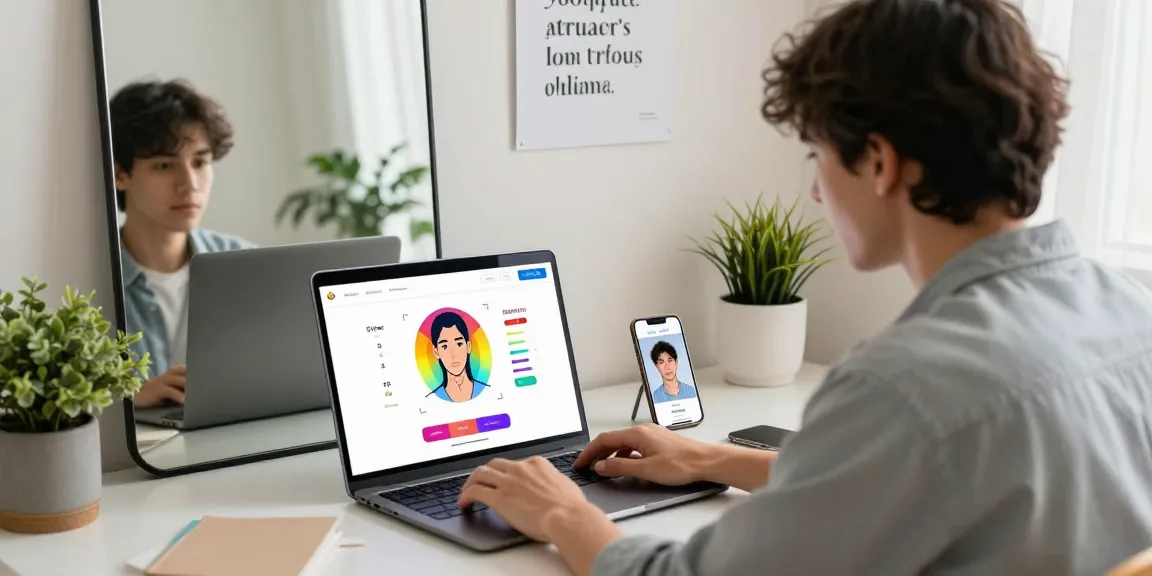
The Science Behind Age Estimation Apps
In today's digital landscape, the concept of age estimation has garnered significant attention, blending technology with personal curiosity. With advancements in artificial intelligence (AI) and machine learning, various applications have emerged, allowing users to upload their photographs and receive an estimated age based on their facial features. These tools, powered by complex algorithms, invite individuals to explore the question: how old do I look? Understanding the science behind these age estimation apps is crucial for grasping their implications and accuracy.
Understanding Facial Recognition Technology
Facial recognition technology serves as the backbone of age estimation applications. This technology analyzes key facial features including wrinkles, skin texture, and overall facial structure. For instance, it utilizes a process known as geometric analysis, which evaluates the dimensions and spatial relationships of facial landmarks. AI algorithms are trained on vast datasets that include thousands of images across different age groups, enabling the system to identify patterns that correlate with age.
How AI Analyzes Facial Features
AI algorithms function by examining a photograph pixel by pixel, conducting a comprehensive analysis of facial characteristics. The system categorizes various aspects such as the depth of laugh lines, the clarity of skin, and the prominence of facial contours. As AI evolves, its capacity to discern subtleties improves, allowing for more accurate age predictions. Some platforms even employ deep learning techniques, which enhance the model's performance over time by learning from new data inputs.
Accuracy of Age Predictions in 2026
As we look towards 2026, the accuracy of age predictions is expected to improve dramatically. Current models may achieve an accuracy rate of around 85%, but with ongoing advancements in technology and data processing, this number could increase. New approaches, such as integrating additional biometric data including voice patterns and body language, may offer a more holistic view of aging. Therefore, users can anticipate more reliable results when using tools to estimate how old they look.
Benefits of Knowing Your Apparent Age
Understanding how old you appear can influence various aspects of life, from self-esteem to social interactions. The benefits of engaging with age estimation apps extend beyond mere curiosity. These insights can foster personal reflection and awareness of aging. When considering options, how old do I look can provide comprehensive insights into this intriguing intersection of technology and self-exploration.
Impact on Self-Perception and Confidence
Receiving feedback on one’s apparent age can significantly affect self-perception and self-esteem. Positive results might boost confidence, encouraging individuals to embrace their physical appearance. Conversely, an estimate that suggests one looks older than expected may lead to self-consciousness. Recognizing this emotional aspect is essential, as it can shape how individuals present themselves in both personal and professional settings.
Social Media and Age Perception
The role of social media in age perception cannot be understated. Users often curate their profiles to reflect their desired image, which can create a dissonance between perceived age and reality. Age estimation apps provide a way to bridge this gap, offering insights that can inform users’ online personas. In a world where visual representation is paramount, understanding how age is perceived can help individuals manage their social interactions more effectively.
Health Awareness and Aging
Beyond aesthetics, knowing one's apparent age can serve as a wake-up call regarding health and wellness. Age estimation tools can encourage users to adopt healthier lifestyles. For instance, an estimated older appearance might prompt someone to seek out skincare solutions or lifestyle changes such as diet and exercise, which can positively impact overall health. This proactive approach to aging can lead to improved quality of life as individuals age.
Top Apps to Estimate Your Age
With technology constantly evolving, numerous applications focus on estimating age through facial analysis. Each app offers unique features that appeal to various user preferences. Below, we explore some of the most popular age estimation tools and their standout elements.
Comparison of Popular Age Estimation Tools
- FaceAge.ai: Known for its high accuracy, this app uses advanced AI to analyze facial features quickly and securely.
- Fotor: This tool stands out for its user-friendly interface, allowing users to upload their photos without any need for registration.
- BeautyPlus: Offering a fast face age detection feature, BeautyPlus combines entertainment with functionality, appealing to a broad user base.
Unique Features of Each App
- FaceAge.ai: Emphasizes privacy and does not store user data, ensuring that all analyses are secure.
- Fotor: Includes additional photo editing tools, making it versatile for users interested in both age estimation and image enhancement.
- BeautyPlus: Integrates filters and visual enhancements that can transform photographs while estimating age.
User Reviews: What Do People Think?
User experiences with age estimation apps can vary significantly. Many users express satisfaction with the accuracy of the estimates, noting that the results are often within a few years of their actual age. However, some users criticize the limitations of the technology, particularly in recognizing diverse skin types and ethnic features. Overall, feedback indicates a mix of curiosity and skepticism regarding the reliability of these estimations.
Common Misconceptions About Age Estimation
Despite the growing popularity of age estimation tools, several misconceptions surround their functionalities and accuracy. Understanding these points can clarify the actual capabilities of these applications.
Do These Apps Really Work?
Age estimation apps operate on complex algorithms that analyze facial features; however, their effectiveness can vary. While many users find the results surprisingly accurate, it is essential to remember that these apps are not foolproof. Factors such as lighting, photo quality, and individual differences play crucial roles in the accuracy of predictions.
Understanding Limitations of AI Predictions
The limitations of AI predictions arise from the datasets used to train the algorithms. Many models are based on predominantly Western images, which can lead to misinterpretations when analyzing faces from different ethnic backgrounds. Additionally, the focus on superficial characteristics may overlook other aging indicators that contribute to a person's perceived age.
Addressing Privacy Concerns
Privacy concerns are paramount when using age estimation apps since these tools often require users to upload personal photographs. Many reputable applications have implemented privacy-focused policies, ensuring that images are not stored or shared without consent. Nonetheless, it is vital for users to review privacy settings and understand how their data is handled.
Future Trends in Age Prediction Technology
As technology continues to advance, the future of age prediction is poised for significant transformations. Innovations in AI and technology will likely lead to more accurate and user-friendly applications.
Emerging Technologies in AI and Health
Future age estimation apps may integrate additional biometric data, such as voice analysis and lifestyle factors, to provide a multidimensional understanding of aging. Utilizing health data collected from wearables can enhance the accuracy of predictions, allowing a more comprehensive view of an individual’s biological age.
Potential Developments by 2026
By 2026, we may see the emergence of hybrid applications that blend age estimation tools with other health metrics. These platforms could assist users in tracking not only their appearance but also their overall health trajectory. Such innovations could empower individuals to make more informed decisions regarding their health and wellness.
How These Innovations Can Impact Us
The integration of advanced technologies in age estimation can shape how individuals view aging. As these applications become more prevalent and accurate, they may foster a better understanding of the aging process, encouraging healthier lifestyle choices. Furthermore, this technology could reshape social interactions by providing insights into age-related biases.
What Are Your Friends Really Thinking?
Insights generated from age estimation tools may reveal intriguing perspectives on how friends perceive one another's ages. Understanding the factors that influence these perceptions can promote deeper conversations about aging among peer groups.
How Can It Change Your Social Interactions?
As individuals become more aware of how they are perceived in terms of age, their social interactions may shift. Enhanced self-awareness can lead to more thoughtful engagement with others, allowing individuals to navigate conversations around age more adeptly. Moreover, this awareness might reduce the stigma often associated with aging.