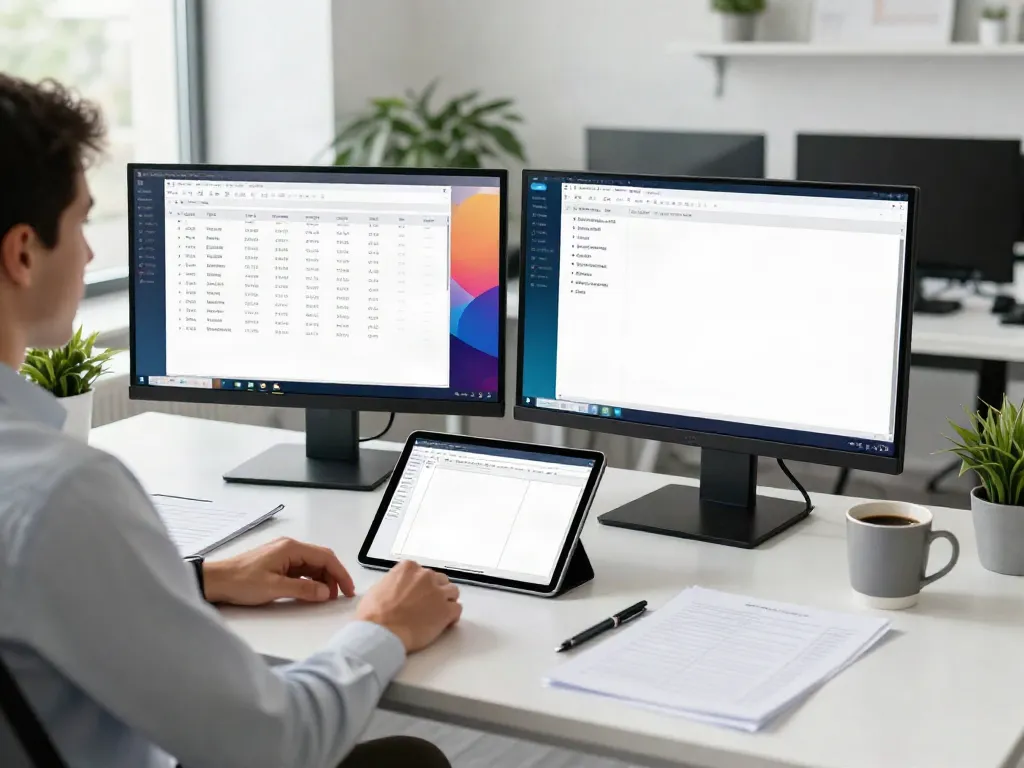
Understanding Flooring Business Software
In today's competitive flooring industry, having the right tools at your disposal is critical for success. Flooring business software is designed to streamline operations, enhance customer interactions, and boost overall productivity. As technology continues to evolve, flooring businesses must adapt to remain relevant and efficient. This guide will explore the essential features of flooring business software, the challenges faced during implementation, and best practices for maximizing its efficiency. Understanding the unique needs of your company is key, and when exploring options, flooring business software provides comprehensive insights into what is available in the market today.
What is Flooring Business Software?
Flooring business software is a specialized solution tailored for companies that sell, install, or manage flooring products. This software encompasses various functionalities that address specific operational needs, such as inventory management, project tracking, customer relationship management (CRM), scheduling, and invoicing. By integrating these functions into a centralized platform, flooring businesses can enhance their workflows and improve customer satisfaction.
Key Features and Benefits
Investing in flooring business software comes with numerous benefits that can significantly transform your operations:
- Inventory Management: Keep track of stock levels, manage suppliers, and simplify order processing.
- Project Management: Oversee project timelines, allocate resources, and track progress seamlessly.
- Customer Relationship Management: Store customer data, manage sales leads, and enhance client communication.
- Financial Management: Generate accurate quotes, create invoices, and streamline accounting processes.
- Reporting and Analytics: Gain insights through data analysis to make informed decisions and improve business performance.
Common Challenges in Flooring Business Software Implementation
Integration Issues with Existing Systems
One of the biggest challenges flooring businesses face is integrating new software with existing systems. Many companies have legacy systems that can be difficult to synchronize with modern software solutions. Compatibility issues may arise, leading to operational disruptions if not managed carefully. Therefore, it's essential to assess your current systems and determine how new software can fit into this ecosystem.
Data Migration and Management Concerns
Data migration presents another significant hurdle. Transferring data from old systems to new flooring business software can be fraught with difficulties, including data loss, formatting issues, and inconsistencies. It’s crucial to outline a clear migration strategy, ensuring all data is accurately transferred and maintained throughout the process.
Training and User Adoption Challenges
Once the software is implemented, ensuring that staff members are adequately trained is vital for maximizing its potential. Resistance to change is common, as users may feel overwhelmed by new technology. Providing comprehensive training sessions and ongoing support can facilitate smoother transitions and higher adoption rates.
Best Practices for Maximizing Software Efficiency
Streamlining Operations with Workflow Automation
To enhance efficiency, flooring businesses should leverage workflow automation features within their software. By automating repetitive tasks, such as invoicing, order processing, and customer follow-ups, employees can focus on more critical aspects of their roles, boosting productivity.
Utilizing Analytics for Better Decision Making
Many flooring business software solutions offer robust analytics capabilities. By tracking key performance indicators (KPIs) and analyzing customer behavior, businesses can make data-driven decisions. This information can inform marketing strategies, inventory purchasing, and overall business improvements.
Regular Software Updates and Maintenance
Keeping your flooring business software up to date is essential for security and efficiency. Regular updates often include new features, security enhancements, and bug fixes that can improve overall functionality. Proactively managing software maintenance will ensure your system remains in peak condition, reducing downtime and enhancing performance.
Real-World Examples of Flooring Business Software Success
Case Study: Transforming a Small Flooring Company
Consider a small flooring company struggling with manual processes and disjointed systems. After implementing flooring business software, they streamlined their operations, reducing order turnaround time by 30%. The software provided real-time inventory tracking and automated invoicing, improving cash flow and customer satisfaction.
Lessons from Industry Leaders
Industry leaders often set trends that others follow. Companies such as Mohawk and Shaw Industries have successfully integrated advanced flooring business software to enhance their operational efficiency. These companies focus on innovation and customer experience, using data analytics to inform their product offerings.
Innovative Solutions for Flooring Retailers
Retailers are increasingly adopting cutting-edge technologies such as augmented reality (AR) and virtual reality (VR) to improve customer experiences. Flooring business software that incorporates these technologies enables customers to visualize products in their homes, leading to increased sales and satisfaction.
Future Trends in Flooring Business Software
Emerging Technologies: AI and Machine Learning
The integration of artificial intelligence (AI) and machine learning into flooring business software is set to revolutionize the industry. These technologies can analyze vast amounts of data, providing insights that drive more personalized customer interactions and optimize inventory management.
Increased Focus on Customer Experience
As consumer expectations continue to rise, flooring businesses must prioritize customer experience. Software solutions that facilitate easy communication, personalized marketing, and a seamless purchasing process will remain essential for success in a competitive landscape.
Predictions for 2026 and Beyond
Looking ahead, we anticipate that flooring business software will focus on greater integration with e-commerce platforms, enabling businesses to expand their online presence. Additionally, tools that harness the power of big data will allow companies to predict market trends and adjust strategies accordingly, ensuring they remain ahead of the curve.
FAQs
What factors should I consider when choosing flooring business software?
When selecting flooring business software, consider factors such as your specific business needs, budget, scalability, user-friendliness, and integration capabilities with existing systems.
How can flooring business software improve customer satisfaction?
Flooring business software can enhance customer satisfaction by streamlining communication, providing timely updates, and allowing for smooth project management, leading to a better overall experience.
What are the common pitfalls to avoid during software implementation?
Common pitfalls include inadequate training, underestimating the importance of data migration, and failing to involve users in the selection process, which can lead to resistance and poor adoption rates.
How do I ensure my team adopts new flooring business software effectively?
To ensure effective adoption, provide comprehensive training, seek feedback from employees, and highlight the benefits of the new system to encourage buy-in.
What future trends should I watch for in flooring business software?
Future trends include the integration of AI, enhanced customer experience technologies, and increased automation to streamline operations and boost efficiency.