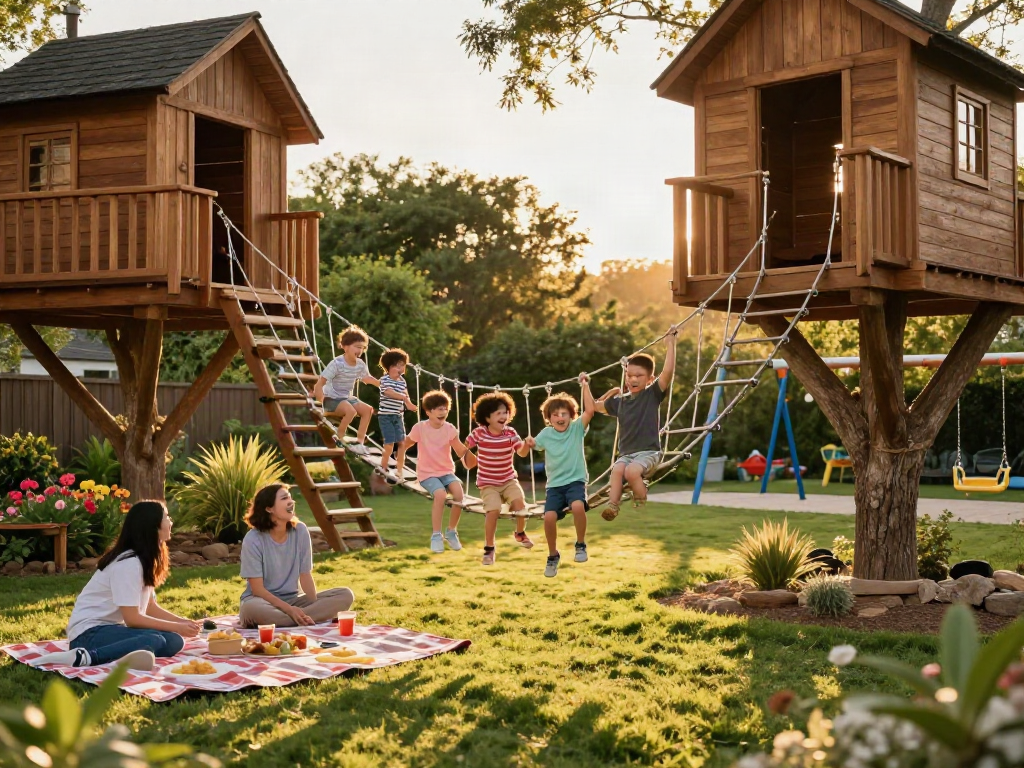
Understanding the Rope Bridge: Anatomy and Design
A rope bridge is an innovative structure that utilises ropes and cables to create a flexible and often suspended pathway between two points, typically elevated above ground. These bridges have gained popularity for their unique design and functionality, making them ideal for outdoor adventures, particularly in treehouses and playgrounds. Whether you're looking to enhance your garden with a whimsical feature or create a practical crossing over uneven terrain, understanding the anatomy and design of a rope bridge is essential. When exploring options, Rope Bridge designs can provide comprehensive insights into building your own.
What is a Rope Bridge?
A rope bridge is essentially a type of bridge that is primarily constructed using ropes and cables. Unlike traditional bridges, which often rely on solid materials such as steel and concrete, rope bridges are designed to be flexible and lightweight, making them easier to construct and disassemble. They can vary in complexity from simple designs that can be built quickly, to more intricate structures that require careful engineering. Historically, rope bridges have been used by various cultures around the world, especially in areas where constructing solid ground-based bridges is impractical.
The Components of a Rope Bridge
The basic components of a rope bridge typically include:
- Main Cables: The primary ropes or cables that bear the weight of the bridge.
- Cross Ropes: Ropes that run perpendicular to the main cables, providing support and stability.
- Decking: A walking surface that can be made from various materials, such as planks or netting.
- Anchor Points: Fixed points at either end of the bridge that secure the structure in place.
Understanding these components is crucial for anyone looking to build a safe and functional rope bridge, as each part plays a vital role in the overall stability and safety of the structure.
Types of Rope Bridges and Their Uses
There are several types of rope bridges, each suited for different purposes and environments. Here are some common examples:
- Simplicity Suspension Bridge: Often seen in outdoor recreation areas, these bridges utilise minimal materials and are designed for ease of access.
- Hammock Bridge: A relaxed, flexible bridge type often used in children's play areas.
- Commando Rope Bridge: A more complex and sturdy design used in military training, featuring multiple levels of support.
- Decorative Rope Bridges: Utilised in gardens and parks, these bridges enhance aesthetic appeal while offering functionality.
Each type of rope bridge has its unique advantages, allowing users to choose the most appropriate design based on their specific needs and environment.
Building Your Own Rope Bridge: A Step-by-Step Guide
Constructing a rope bridge can be an exciting project for families and DIY enthusiasts. It offers an opportunity to engage in teamwork, creativity, and practical skills. However, it is vital to approach this project methodically to ensure safety and durability.
Materials Needed for a Durable Rope Bridge
Before starting the construction of your rope bridge, gather the necessary materials:
- Rope: High-strength polyester rope is ideal due to its durability and weather resistance.
- Wooden Planks: For the decking, treated timber or composite materials ensure longevity.
- Carabiners and Clips: These are essential for securely attaching cables and ropes.
- Support Posts: Sturdy posts can provide additional stability and anchorage for the bridge.
Choosing the right materials is paramount to constructing a safe and effective rope bridge, so consider factors such as strength, weather resistance, and flexibility.
Safety Considerations When Constructing a Rope Bridge
Safety must be the priority when building a rope bridge. Here are some key considerations:
- Ensure anchor points are secure and capable of handling the anticipated load.
- Regularly check all ropes and connections for wear and tear.
- Install safety barriers or nets if the bridge is elevated significantly above the ground.
- Make sure the bridge is suitable for the intended users, particularly if children will be using it.
Implementing these safety measures will help mitigate risks and make the bridge a secure place for all ages.
Testing Your Rope Bridge for Stability and Strength
Once your rope bridge is constructed, thorough testing is essential. Begin by performing a visual inspection of all components. Afterward, gradually apply weight to the bridge, starting with lighter loads before progressing to heavier ones. This will help identify any weak points in the structure. Additionally, it is advisable to test the bridge with multiple individuals to ensure it can support the intended user capacity safely.
Rope Bridge Ideas for Backyard Adventures
Rope bridges can significantly enhance outdoor activities for children and families. By incorporating creative designs and features, these structures can become central components of play areas.
Creative Designs for Kids’ Rope Bridges
When designing a rope bridge for children, consider incorporating fun elements such as:
- Swings: Add swings that can be reached from the bridge to encourage playful interaction.
- Slide Integration: Connect the bridge to a slide for an exciting exit point.
- Themed Decor: Use paint and decorations to create a whimsical look, such as jungle or pirate themes.
Adding these features can make the bridge an exciting destination for kids, encouraging imaginative play.
Enhancing the Outdoor Experience with Additional Features
To further enrich the experience, consider the following enhancements:
- Climbing Walls: Attach a climbing wall adjacent to the bridge for added challenge and fun.
- Obstacle Courses: Create a series of challenges below the bridge to encourage climbing and agility.
- Lighting: Install solar lights along the bridge for evening play and safety.
These enhancements can elevate playtime and keep kids engaged in outdoor activities.
Incorporating Rope Bridges into Play Sets and Treehouses
Rope bridges make a fantastic addition to treehouses and playsets. They can serve as a connection between different structures or as standalone features in a backyard adventure course. When integrating a rope bridge, consider:
- How it connects with other play features and enhances overall flow.
- Strategic placement for easy access while ensuring safety.
- Utilising natural landscape elements, such as trees, to support the bridge structure.
Incorporating a rope bridge into existing play structures can transform an ordinary garden into an extraordinary playground.
Maintenance and Care for Your Rope Bridge
Regular maintenance is vital for ensuring the longevity and safety of your rope bridge. Proper care will keep the structure safe for users and maintain its aesthetic appeal.
Regular Inspection and Repair Techniques
Schedule regular inspections to identify any wear and tear on your rope bridge. Look for:
- Frayed or damaged ropes, which should be replaced immediately.
- Loose connections or fittings that require tightening.
- Signs of decay in wooden components, necessitating repair or replacement.
Addressing these issues promptly will help prolong the life of your rope bridge and ensure it remains safe for use.
Weatherproofing Your Rope Bridge for Longevity
Weatherproofing is essential to protect your rope bridge from the elements. Consider the following measures:
- Use UV-resistant materials to prevent deterioration from sun exposure.
- Apply sealant to wooden components to protect against moisture and insects.
- Remove snow or heavy debris in winter to prevent extra weight on the bridge.
By weatherproofing your rope bridge, you can extend its lifespan and maintain its structural integrity.
Seasonal Maintenance Tips and Best Practices
Different seasons present unique challenges for outdoor structures. Here are some seasonal maintenance tips:
- Spring: Inspect for winter damage and clean all components to prepare for use.
- Summer: Check for signs of heat damage and ensure all fittings are secure before peak usage.
- Autumn: Clear fallen leaves and debris from the bridge to prevent moisture buildup.
- Winter: Assess for ice accumulation and prepare for safe access during snowy conditions.
By following these seasonal maintenance tips, you can ensure that your rope bridge remains in top condition year-round.
The Benefits of Rope Bridges in Outdoor Play
Rope bridges are not only fun additions to play areas but also encourage a variety of physical and social benefits for children and families alike.
Physical and Social Skills Development
Playing on a rope bridge promotes physical activity and helps children develop important skills such as:
- Balance and coordination, which are crucial for overall fitness.
- Problem-solving skills as they navigate crossings.
- Teamwork and communication when playing with friends.
These skills enhance a child's physical development while fostering social connections.
Encouraging Outdoor Activity and Exploration
Rope bridges encourage children to spend more time outdoors, fostering a love for nature and exploration. They can serve as a springboard for imaginative play, transforming a backyard into a thrilling landscape of adventure and discovery. Engaging with the outdoors in this way can also lead to healthier lifestyles as children become more active and engaged.
Creating Lasting Family Memories through Outdoor Fun
Rope bridges provide opportunities for families to bond while enjoying outdoor activities together. Whether it's navigating the bridge during a picnic or participating in a friendly race, these shared moments create cherished memories. The sense of adventure and fun encourages families to spend more quality time outdoors, strengthening their relationships.
What is a rope bridge?
A rope bridge is a simple yet effective structure that enables individuals to cross over gaps or obstacles using a system of ropes, often backed by a framework of cables. They vary in complexity and can be designed for functionality or fun.
How do you make a rope bridge?
To make a rope bridge, you would start by selecting appropriate materials, then build a supportive structure by securely anchoring ropes between two points, ensuring proper tension and stability throughout the design.
What type of rope is best for a rope bridge?
For a rope bridge, high-strength polyester rope is often considered the best option due to its excellent durability, resistance to moisture, and ability to handle significant weight without fraying.
Can a rope bridge support adults?
Yes, a properly constructed rope bridge can support adults, provided that it is designed with adequate materials, structural integrity, and secure anchoring points to handle the extra weight.
How safe are rope bridges for children?
Rope bridges can be safe for children if designed with safety in mind, including secure anchoring, strong materials, and possibly additional safety features like nets or barriers to prevent falls.