Understanding Recirculating Cooker Hoods
For homeowners living in flats, terraced houses, or older properties, the challenge of installing traditional ducted cooker hoods can be daunting. Without access to external walls or the possibility of structural changes, many are left seeking alternatives. Enter the recirculating cooker hood with carbon filter, a solution that not only fits seamlessly into various kitchen designs but also delivers effective ventilation without the need for external ductwork. These innovative units are designed to purify indoor air by filtering out grease, smoke, and cooking odors, ensuring a pleasant cooking environment. When exploring options, recirculating cooker hood with carbon filter provides comprehensive insights into the technology and benefits that come with this choice.
What is a Recirculating Cooker Hood?
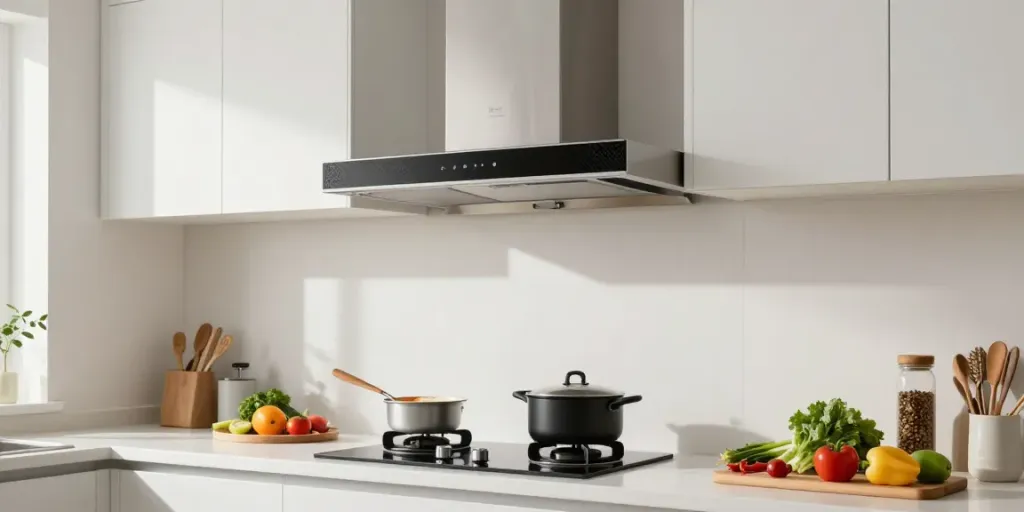
A recirculating cooker hood, also referred to as a ductless hood, is a type of kitchen ventilation system that filters air and recirculates it back into the kitchen rather than venting it outside. This design makes it especially suitable for homes without external wall access. These hoods typically comprise multiple filters that work together to trap grease, remove undesirable odors, and improve overall air quality in the cooking area.
Key Features of Carbon Filters
- Activated Carbon Granules: These filters contain specially treated carbon which has millions of pores that adsorb odors and impurities in the air, making them highly efficient.
- Grease Filtration: In addition to carbon filters, most recirculating hoods include grease filters that capture oil particles, preventing them from circulating back into your kitchen.
- Longevity and Replacement: Carbon filters need to be replaced periodically, typically every 3-6 months, depending on usage, ensuring optimal performance.
Benefits of Using a Recirculating System
There are several advantages to opting for a recirculating cooker hood with carbon filter:
- No Need for Ducting: This system eliminates the need for external ducting, making it easy to install in any kitchen layout.
- Improved Air Quality: Recirculating hoods effectively remove smoke, odors, and airborne grease, contributing to a fresher kitchen environment.
- Versatile Styles: Available in various styles—including wall-mounted, island, and integrated models—these hoods can enhance the aesthetics of any kitchen.
How Recirculating Cooker Hoods Work
Extraction and Filtration Process
The operation of a recirculating cooker hood is based on a three-step process: extraction, filtration, and recirculation. Initially, the hood draws in air that contains cooking fumes, smoke, and grease.
Role of Activated Carbon within the System
After initial extraction, the air passes through a grease filter that captures large grease particles. Next, it moves through the activated carbon filter, where odors and finer pollutants are absorbed, ensuring that only clean air is returned to the kitchen.
Comparative Efficiency with Ducted Hoods
While ducted hoods offer the benefit of direct venting to the outside, recirculating hoods provide a reliable alternative for many households. For typical cooking tasks, recirculating hoods can effectively improve air quality, although for high-heat cooking or heavy frying, ducted systems may be superior.
Moisture Management in the Kitchen
Do Recirculating Cooker Hoods Remove Moisture?
One common concern about kitchen ventilation is moisture control. Recirculating cooker hoods can indeed help manage moisture levels in the kitchen. By filtering steam and airborne grease, they aid in reducing humidity, which can prevent mold and mildew buildup.
Impact on Indoor Air Quality
The presence of a recirculating cooker hood significantly enhances indoor air quality, especially in enclosed spaces. By filtering harmful pollutants and excess moisture, these systems contribute to a healthier cooking environment.
Maintaining a Healthy Cooking Environment
In addition to reducing odors and improving air quality, recirculating hoods also play a vital role in enhancing comfort levels during cooking. A cleaner atmosphere fosters an enjoyable culinary experience, minimizing the stress typically associated with kitchen odors.
Installation and Maintenance Procedures
Step-by-Step Installation Guide
Installing a recirculating cooker hood is straightforward, especially for models designed for DIY installation. Here are the basic steps to follow:
- Read the user manual for guidance on your specific model.
- Select an installation location that ensures adequate air circulation.
- Mount the hood according to the manufacturer’s instructions.
- Connect the necessary electrical wiring.
- Install the filters as directed and make sure they are securely fitted.
How to Replace Carbon Filters
To maintain optimal performance, carbon filters must be replaced regularly:
- Remove the old filter according to the instructions in your user manual.
- Install the new filter, ensuring it fits securely into place.
- Check the user manual for any specific maintenance recommendations regarding cleaning grease filters.
Common Maintenance Tips for Longevity
To extend the lifespan of your recirculating cooker hood, consider the following maintenance tips:
- Clean grease filters regularly to prevent buildup.
- Keep the external surface of the hood clean to maintain its aesthetic appeal.
- Conduct periodic checks on the installation to ensure it remains secure.
Future Trends and Innovations in Cooker Hoods
Emerging Technologies in Ventilation
As technology evolves, we can anticipate several emerging trends in recirculating cooker hoods:
- Smart Technology Integration: Future hoods may incorporate smart sensors that detect cooking odors and automatically adjust fan speed.
- Energy-Efficient Models: New designs will likely focus on reducing energy consumption without compromising performance, contributing to sustainability.
- Advanced Filter Technology: Improvements in filter materials will enhance the removal efficiency of various pollutants.
Market Predictions for 2026 and Beyond
The recirculating cooker hood market is projected to grow significantly, driven by increasing consumer awareness of indoor air quality and ongoing renovations in older homes. The demand for flexible and stylish kitchen solutions is expected to fuel innovation in this sector.
Consumer Preferences Shaping Product Development
As consumer preferences shift towards multifunctional kitchen appliances, manufacturers will likely focus on creating products that combine aesthetics and functionality. Features such as noise reduction and ease of maintenance will become increasingly important to buyers.
Are recirculating cooker hoods any good?
Yes, recirculating cooker hoods are a practical and efficient solution for many homeowners. They are particularly advantageous in settings where traditional ducting is impractical, effectively removing odors and improving air quality.
Which recirculating cooker hood with carbon filter is best?
The best model for you will depend on your kitchen's layout and your specific needs. Brands like Ciarra offer a variety of high-performance options that feature integrated carbon filters.
Are carbon filter cooker hoods effective?
Carbon filter cooker hoods are very effective at removing odors and reducing indoor air pollutants, making them an excellent choice for maintaining a pleasant cooking environment.
What are some features to consider in a recirculating hood?
- Filter efficiency and lifespans
- Noise levels during operation
- Installation type and space compatibility
- Maintenance requirements
How often should carbon filters be replaced?
Typically, carbon filters should be replaced every 3 to 6 months, although this timeframe can vary based on usage. Regular checks will ensure optimal performance and air quality.