
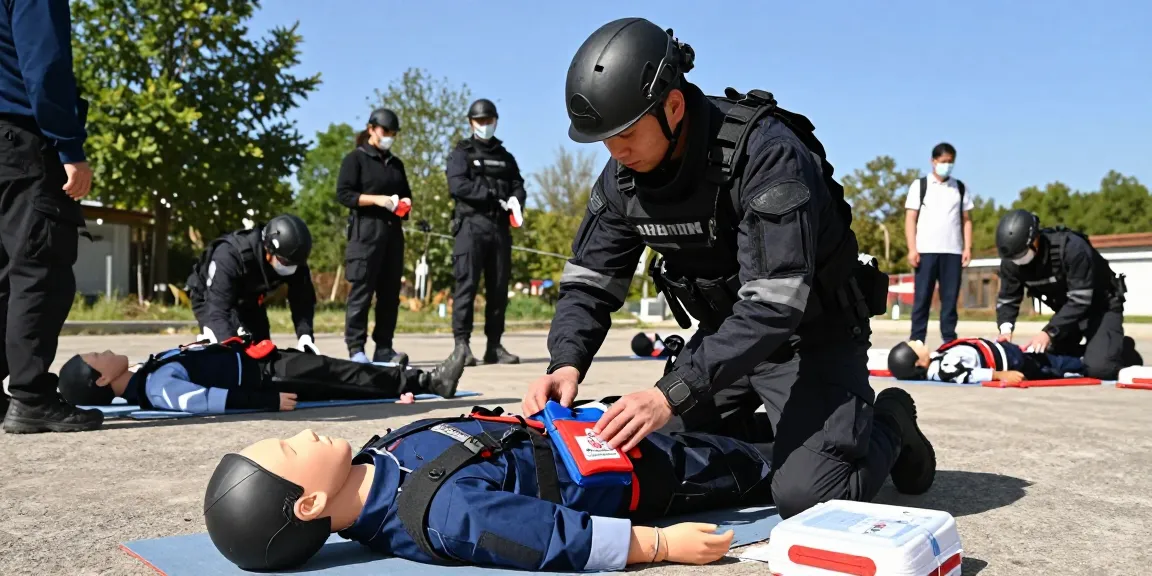
Understanding the Importance of a Stop the Bleed Kit
In today’s unpredictable world, having the right emergency preparedness tools is essential for ensuring safety and well-being. A Stop the Bleed Kit is a crucial component for anyone, from outdoor enthusiasts to professionals in high-risk environments, as it can mean the difference between life and death in critical situations. Trauma incidents can occur without warning, making it imperative to be prepared. When exploring options, Stop the Bleed Kit offers comprehensive insights into effective trauma management.
What is a Stop the Bleed Kit and Why You Need One?
A Stop the Bleed Kit is a compact collection of medical supplies and tools designed to provide immediate care for severe bleeding injuries. These kits are particularly useful in emergency situations, where every second counts. Equipped with essentials like tourniquets, pressure bandages, and gauze, a Stop the Bleed Kit empowers individuals to act swiftly and effectively, potentially saving lives even before professional medical help arrives.
Real-Life Scenarios That Highlight Its Importance
Imagine a scenario where an accident occurs at a remote campsite, or an active shooter incident takes place in a crowded venue. In both cases, immediate and effective bleeding control can save lives. Reports show that timely intervention during such events can prevent fatalities—a stark reminder of why every individual should carry a Stop the Bleed Kit. For instance, a bystander trained to use a tourniquet correctly can significantly increase a victim’s chances of survival, demonstrating the life-saving potential of these kits.
Statistics on Trauma and Bleeding Incidents
According to the Centers for Disease Control and Prevention (CDC), trauma is a leading cause of death for individuals aged 1 to 44 in the United States. Specifically, uncontrolled bleeding accounts for a significant percentage of preventable deaths in traumatic incidents. Statistics indicate that for every minute a person experiences severe bleeding, their chances of survival decrease substantially. Such alarming data makes it clear that having a Stop the Bleed Kit readily available is not just advantageous; it is necessary.
Components of a Comprehensive Stop the Bleed Kit
Your Stop the Bleed Kit should consist of essential items that allow you to manage bleeding effectively. Each component plays a vital role in stabilizing a patient until they can receive professional medical attention.
Essential Items Included in the Kit
- Tourniquet: A self-tightening tourniquet is crucial for stopping arterial bleeding in limbs.
- Pressure Bandages: These are necessary for applying direct pressure to a wound.
- Gauze: Sterile gauze pads help to absorb blood and protect the wound.
- Adhesive Tape: This is used to secure bandages or gauze in place.
- Gloves: Disposable gloves are vital for maintaining hygiene during treatment.
Recommended Additional Supplies for Enhanced Readiness
- Hemostatic Agents: These are substances designed to promote rapid clotting.
- Chest Seals: For managing penetrating chest injuries, vented or unvented seals can be life-saving.
- Trauma Shears: These help in cutting clothing away from wounds safely.
- Instant Cold Packs: To alleviate pain and reduce swelling in soft tissue injuries.
How to Choose the Right Kit for Your Needs
When selecting a Stop the Bleed Kit, consider your environment and the activities you engage in. For example, outdoor adventurers may require a kit with more robust items for severe injuries, while an office setting might focus on compact and easy-to-use supplies. Assess what specific risks you may face and ensure that your kit is tailored to those needs.
Best Practices for Using a Stop the Bleed Kit
Knowing how to use a Stop the Bleed Kit effectively is just as important as having one on hand. Understanding the correct procedures can enhance your response during emergencies.
Step-by-Step Guide to Administering First Aid
- Assess the Situation: Ensure it is safe to approach the victim.
- Call for Help: Alert emergency services immediately.
- Apply Direct Pressure: Use gauze pads to apply firm, direct pressure to the wound.
- Use a Tourniquet: If bleeding does not stop, apply a tourniquet above the injury site.
- Monitor the Victim: Stay with them until help arrives; provide reassurance.
Common Mistakes to Avoid in Emergency Situations
In high-stress situations, people may make critical errors, such as delaying care to wait for professionals or failing to apply enough pressure to a bleeding wound. It is essential to act decisively and remember that immediate action can be more beneficial than waiting for advanced medical assistance.
Tips for Quick and Effective Response
Crisis situations require a cool head and quick thinking. Familiarize yourself with the kit’s contents so you can find and use items swiftly. Regularly practicing simulations can also enhance your comfort level and readiness.
Training and Maintenance for Your Stop the Bleed Kit
Simply owning a Stop the Bleed Kit is not enough; ongoing training and maintenance are key to effective use.
How to Properly Train Yourself and Others
Training opportunities are widely available, including workshops and online courses offered by various health and safety organizations. Teaching others how to use the kit can amplify community readiness and create a network of informed responders.
The Importance of Regular Checks and Refills
Periodic checks are crucial for ensuring that all items in the kit are within their expiration dates and in good condition. This maintenance routine can be performed quarterly or after any significant use.
Resources for Ongoing Education and Training
Numerous online resources, such as the American College of Surgeons and Stop the Bleed programs, offer comprehensive training materials. Engaging in these educational opportunities can help you stay informed and prepared for emergencies.
Future Trends in Emergency Preparedness for 2026 and Beyond
The landscape of emergency preparedness continues to evolve, driven by innovations in medicine and technology.
Innovations in First Aid Kit Technology
While traditional Stop the Bleed Kits remain essential, advancements in technology will likely lead to smart kits equipped with sensors that can assess injuries and provide real-time data to emergency responders. Such innovations will enhance the effectiveness of trauma response.
Predicted Changes in Trauma Response Protocols
As the field of emergency medicine advances, trauma response protocols will also become more streamlined, utilizing telemedicine and digital platforms to assist bystanders in real-time during emergencies.
How the Community Can Adapt to Evolving Needs
Communities will need to foster partnerships with local first responders and healthcare providers to ensure that emergency preparedness training remains relevant and accessible. Collaborative drills and public awareness campaigns can strengthen community resilience.
What Additional Questions Do You Have About a Stop the Bleed Kit?
It is always worth considering the unique aspects of your environment and any specific concerns you may have regarding trauma response. Engage in local forums or training sessions to discuss these issues with others who may have similar questions.
Can Everyone Use a Stop the Bleed Kit Effectively?
With the right training, anyone can utilize a Stop the Bleed Kit effectively. Learning how to respond to trauma is a critical life skill that empowers individuals and helps prevent needless loss of life.
Where Can I Get Training for Using These Kits?
Numerous organizations offer Stop the Bleed courses, often free of charge, in community centers, hospitals, and schools. Check local listings or contact health departments for upcoming classes.
What Are the Legal Implications of Using a Stop the Bleed Kit?
Good Samaritan laws generally protect individuals providing first aid, including the use of Stop the Bleed Kits, as long as the actions taken are reasonable and intended to help. Familiarize yourself with the laws in your state to ensure confidence in your actions during an emergency.
How Often Should I Check My Stop the Bleed Kit Supplies?
A regular schedule, such as every three months or after any use, is recommended to ensure that all supplies are current and functional. This vigilance can make a critical difference in an emergency.
What Makes a Stop the Bleed Kit Different from Other First Aid Kits?
While general first aid kits typically cover a broader range of injuries, Stop the Bleed Kits focus specifically on severe bleeding and trauma management. This specialization allows for more effective and targeted responses during critical situations.


