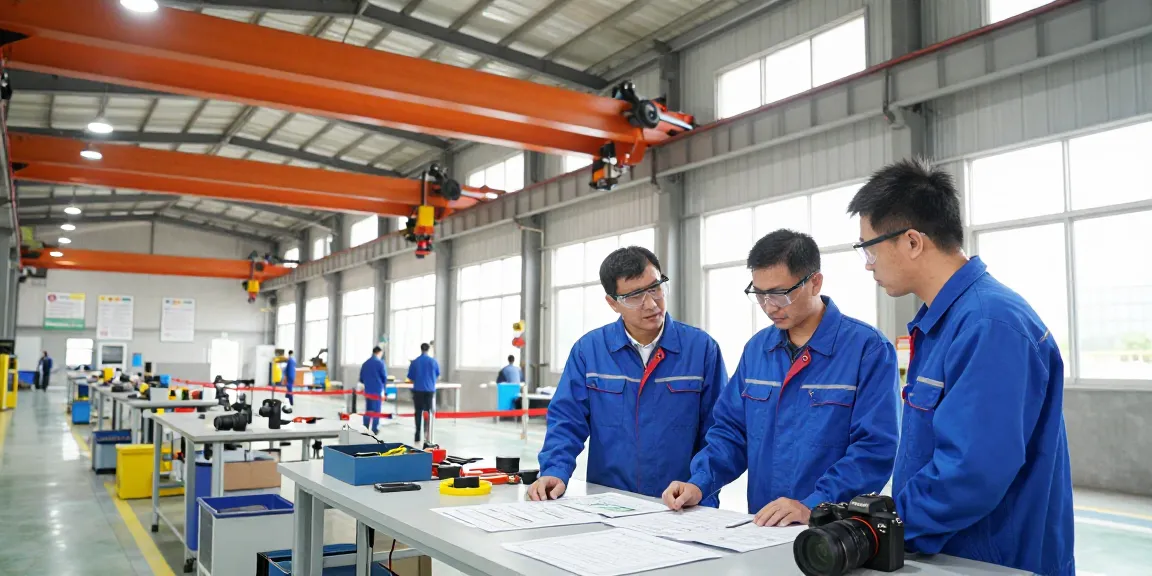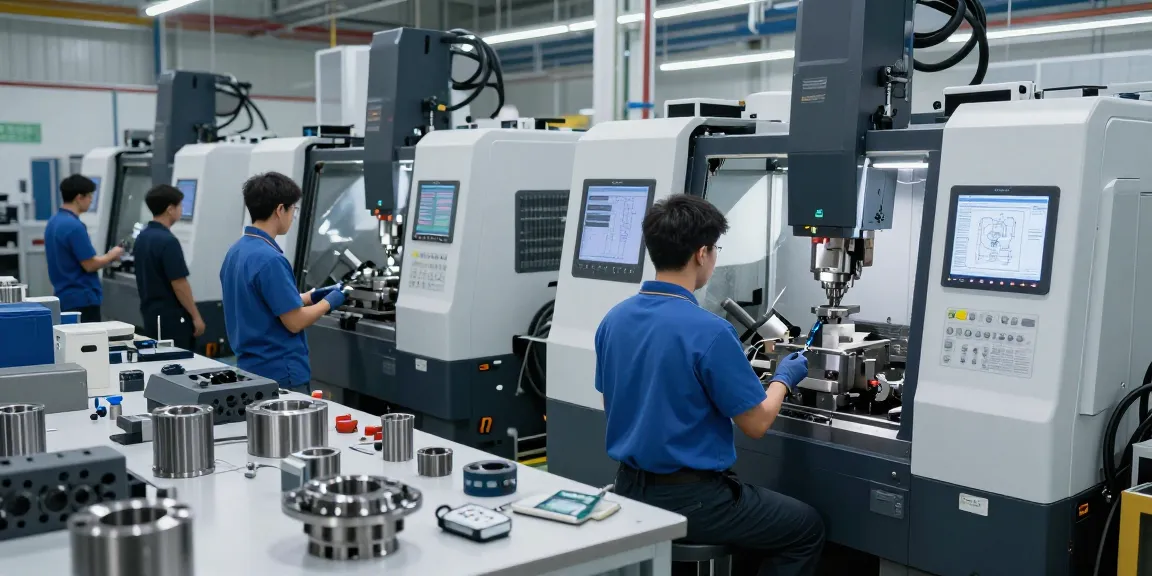
Understanding CNC Machining Service
In the evolving landscape of modern manufacturing, the demand for precision, efficiency, and flexibility has never been higher. CNC machining has emerged as a cornerstone technology, empowering businesses across various industries to produce complex parts with unparalleled accuracy. Cnc machining service offers manufacturers a reliable solution for turning digital designs into tangible products, streamlining workflows, and reducing time-to-market.
What is CNC Machining?
CNC, or Computer Numerical Control, machining refers to a manufacturing process that utilizes computer-controlled machines to cut, shape, and finish materials. This technology allows for high levels of automation, enabling the production of intricate designs with minimal human intervention. CNC machining can work with various materials, including metals, plastics, and composites, making it versatile for numerous applications.
Benefits of CNC Machining Service
The advantages of utilizing CNC machining services are numerous and significant:
- Precision: CNC machines can achieve tolerances as tight as ±0.001 inches, ensuring high-quality outputs.
- Repeatability: Once programmed, CNC machines can produce identical parts consistently, crucial for mass production.
- Flexibility: CNC machining can easily adapt to changes in design, allowing manufacturers to pivot quickly to meet market demands.
- Reduced Waste: The automated nature of CNC machining minimizes material waste compared to traditional manufacturing processes.
- Speed: With the ability to run continuously, CNC machining significantly decreases production time, boosting overall efficiency.
How CNC Machining Works
The CNC machining process begins with a digital design, typically created using CAD (Computer-Aided Design) software. This design is then converted into a CNC program that directs the machine's movements. The process involves several steps:
- Design Creation: Engineers develop a 3D model of the part using CAD software.
- Programming: The CAD model is translated into a CNC program, usually in G-code or M-code.
- Machine Setup: The selected material is secured onto the CNC machine, and tools are installed according to the specifications.
- Machining Process: The CNC machine executes the programmed instructions, cutting and shaping the material until the desired part is created.
- Inspection: Finished parts undergo rigorous quality checks to ensure they meet specifications.
Key Technologies in CNC Machining
Types of CNC Machines
There are several types of CNC machines, each suited for different manufacturing tasks:
- CNC Mills: Used for cutting and shaping materials, CNC mills employ rotating cutting tools to remove material.
- CNC Lathes: Ideal for producing cylindrical parts, lathes rotate the workpiece against a stationary cutting tool.
- CNC Routers: Commonly used for soft materials, CNC routers cut intricate patterns and designs in materials such as wood and plastics.
- 3D Printers: While not traditional CNC machines, additive manufacturing utilizes CNC technology to create parts layer by layer.
Advanced Technologies in CNC Machining
Modern CNC machining has integrated several advanced technologies to enhance performance:
- Automation: Automating CNC machines helps reduce labor costs and enhance production rates.
- IoT Integration: Internet of Things (IoT) technology allows for real-time monitoring and diagnostics of CNC machines.
- Advanced Tooling: Utilizing high-performance cutting tools can significantly improve machining speeds and surface finishes.
Software Utilized in CNC Services
CNC machining relies on sophisticated software for design and operation:
- CAD Software: Essential for creating the initial 3D models of parts.
- CAM Software: Converts CAD designs into CNC machine instructions.
- Simulation Software: Allows manufacturers to visualize machining processes and identify potential issues before actual production.
Quality Assurance in CNC Machining Service
Inspection and Testing Procedures
Quality assurance is vital in CNC machining to ensure that parts meet stringent specifications. Various inspection methods are employed, including:
- Visual Inspection: A straightforward method to check for obvious defects in parts.
- Coordinate Measuring Machines (CMM): These machines verify the dimensions of parts against the original design.
- Surface Roughness Testing: Measures the texture of the part's surface to ensure it meets finish requirements.
Certifications and Standards
Manufacturers often adhere to industry standards and certifications to assure quality. These include ISO 9001 for quality management and AS9100 for the aerospace industry. Compliance with these standards can enhance trust and reliability among clients.
Common Quality Concerns in CNC Manufacturing
Amid the benefits, several challenges may affect quality in CNC machining, such as:
- Tool Wear: Deterioration of cutting tools can lead to variations in part quality.
- Material Variability: Inconsistent material properties can affect machining performance.
- Machine Calibration: Regular calibration is necessary to ensure machines operate within tolerances.
Applications of CNC Machining Services
Industries Utilizing CNC Machining
CNC machining services find applications across various industries, including:
- Aerospace: Producing high-precision components for aircraft and spacecraft.
- Automotive: Manufacturing intricate parts for vehicles, including engines and body components.
- Electronics: Creating housing and components for electronic devices.
- Medical: Crafting durable, hygienic parts for medical devices and equipment.
Case Studies of Successful Implementations
Numerous companies have benefited from CNC machining services. For example, a leading aerospace manufacturer improved the production speed of their turbine components by 40% after implementing advanced CNC machining technology. Their ability to achieve tighter tolerances and a finer finish led to increased performance and reliability in the final products.
Future Trends in CNC Applications
The landscape of CNC machining is continuously evolving with technological advancements. Future trends include:
- Artificial Intelligence: AI algorithms will predict tool wear and optimize machining parameters for enhanced efficiency.
- Hybrid Manufacturing: The integration of additive and subtractive manufacturing methods will create more versatile production processes.
- Sustainability Practices: Increased focus on eco-friendly materials and processes will drive innovation in CNC machining.
Getting Started with CNC Machining Service
How to Choose a CNC Machining Provider
Selecting the right CNC machining provider is crucial for achieving quality results. Factors to consider include:
- Experience: Look for a provider with proven expertise in your specific industry.
- Certifications: Ensure they adhere to relevant quality and industry standards.
- Technology: Assess the types of machines and technologies they utilize.
Preparing Your Designs for CNC Machining
To maximize efficiency, provide comprehensive design documentation, including:
- 2D/3D CAD Models: Detailed drawings help in accurately translating your vision to the final product.
- Material Specifications: Clearly define material choices to avoid manufacturing issues.
- Finish Requirements: Specify desired surface finishes to ensure part usability.
Common Challenges in CNC Projects and Solutions
CNC machining services may encounter challenges such as design flaws or unexpected machine downtime. To mitigate these issues:
- Prototype Testing: Conduct thorough prototype testing to refine designs before moving to full production.
- Regular Maintenance: Implement a maintenance schedule to minimize machine downtime and ensure reliability.
- Effective Communication: Maintain open lines of communication with your provider to address concerns swiftly.