Understanding the Role of Overhead Crane Manufacturers
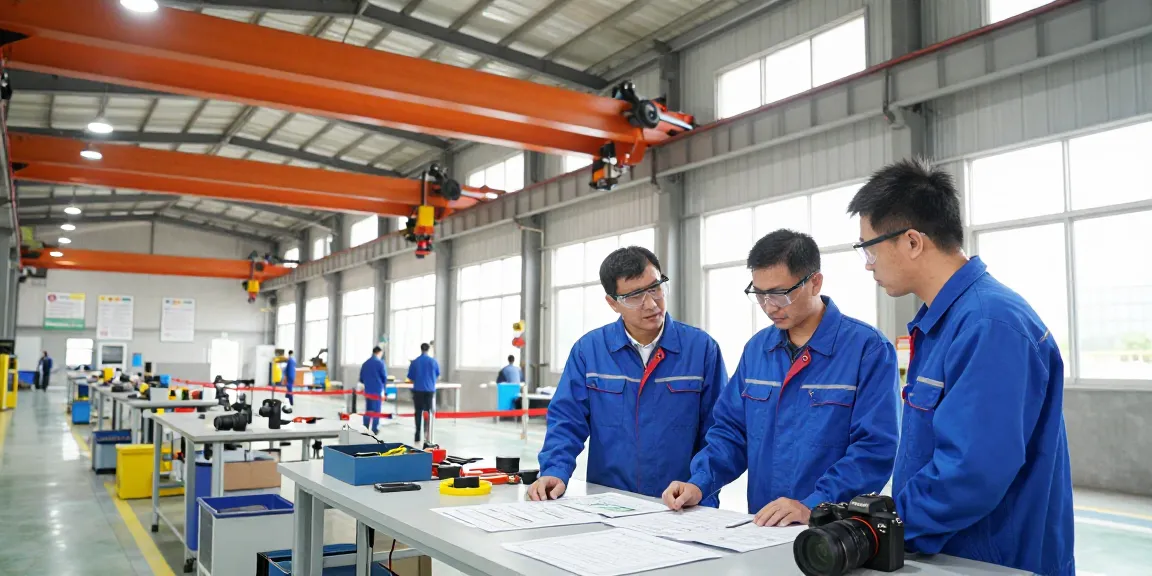
Overhead cranes play a vital role in the efficiency and safety of industrial lifting operations. An overhead crane manufacturer is a specialized entity that designs, fabricates, and supplies these cranes, catering to a wide range of industries where heavy lifting is essential. When exploring options, overhead crane manufacturer websites often provide comprehensive insights into their offerings, including various models suitable for specific applications. This article delves into the intricacies of overhead crane manufacturing, highlighting the critical aspects of engineering, design, and compliance that define industry standards.
What is an overhead crane manufacturer?
An overhead crane manufacturer is a company engaged in the production of cranes specifically designed for lifting heavy loads across a factory or workspace. These manufacturers not only create the physical cranes but also integrate advanced systems and technologies to enhance operational efficiency. They serve a broad spectrum of sectors, including construction, manufacturing, and logistics, adapting their products to meet specific operational demands and safety standards.
The significance of engineering in overhead crane design
Engineering is at the heart of overhead crane design. Manufacturers employ skilled engineers who analyze various factors including load capacity, span, and environmental conditions to optimize crane performance. The use of finite element analysis (FEA) and other simulation tools allows manufacturers to craft cranes that not only meet but exceed industry safety and operational standards. This engineering diligence ensures that cranes can handle the most demanding lifting tasks while maintaining structural integrity and safety.
Quality certifications and compliance standards for manufacturers
Quality and safety are paramount in overhead crane manufacturing. Most reputable manufacturers conform to international standards such as ISO 9001 for Quality Management Systems, ISO 14001 for Environmental Management, and OHSAS 18001 for Occupational Health and Safety. These certifications reflect a commitment to continuous improvement and adherence to safety regulations, providing customers peace of mind regarding the reliability and safety of the equipment they invest in.
Product Categories Offered by Overhead Crane Manufacturers
Overview of overhead cranes and their applications
Overhead cranes come in multiple configurations, each designed to serve distinct applications. Typically categorized into single girder and double girder cranes, their applications range from material handling in workshops to heavy-duty lifting in large manufacturing plants. Single girder cranes are ideal for lighter loads and lower heights, while double girder cranes are preferred for heavier lifts and larger spans, making them suitable for industrial environments demanding versatility and robust design.
Diverse gantry crane types for various lifting needs
Gantry cranes offer a flexible solution for outdoor lifting tasks. These cranes can be configured with either a single or double girder, depending on the required load capacity and application. Heavy-duty gantry cranes are used extensively in shipyards, construction sites, and precast concrete plants. They provide a stable and cost-effective means of lifting materials across large spans, adaptable to various load conditions and environmental factors.
Electric hoists: Features and advantages for industrial setups
Electric hoists are crucial components of overhead crane systems, providing the essential lifting mechanism. These hoists come in various configurations, including wire rope and chain hoists, catering to different lifting requirements. The advantages of electric hoists include precise control over lifting operations, reduced manual labor, and enhanced safety through integrated safety features such as overload protection and emergency stop functions. These features enable manufacturers to optimize productivity while minimizing risks associated with lifting operations.
Key Technologies Driving Crane Manufacturing in 2026
Innovations in lifting systems and automation
The crane manufacturing industry is witnessing rapid technological advancement. Innovations such as automated lifting systems, which utilize robotic controls and artificial intelligence, are changing how companies manage lifting operations. These systems enhance efficiency by allowing for programmable lifting sequences, reducing the need for manual operation and increasing overall safety by minimizing human error.
Impact of AI and IoT on crane operation and monitoring
The integration of Artificial Intelligence (AI) and the Internet of Things (IoT) into cranes is transforming operational monitoring and control. Smart cranes equipped with IoT sensors can collect real-time data, enabling predictive maintenance and reducing downtime. AI algorithms can analyze this data, providing insights for optimizing lifting operations, thereby improving productivity and safety in industrial environments.
Future materials and designs for enhanced efficiency
As the demand for more efficient lifting solutions grows, manufacturers are exploring innovative materials and designs. For instance, the use of high-strength, lightweight materials can reduce the overall weight of cranes, improving energy efficiency during operation. Additionally, modular designs allow for easier customization and scalability, making it feasible to adapt cranes for various applications without extensive redesign.
Challenges Faced by Overhead Crane Manufacturers
Meeting the evolving safety standards and regulations
Overhead crane manufacturers face the ongoing challenge of keeping up with evolving safety regulations. Governments and industry bodies frequently update safety standards, requiring manufacturers to incorporate new safety features and compliance measures into their products. Staying ahead of these changes is crucial for manufacturers to maintain their market reputation and ensure customer safety.
Managing supply chain complexities and material shortages
The global supply chain has faced significant disruptions, leading to material shortages that impact crane manufacturing timelines and costs. Manufacturers must develop robust supply chain strategies, including diversifying suppliers and maintaining higher inventory levels for critical components, to navigate these challenges effectively.
How to maintain competitive pricing without compromising quality
One of the most challenging aspects for overhead crane manufacturers is maintaining competitive pricing while upholding quality standards. Manufacturers must leverage efficient production techniques, innovative materials, and skilled labor to balance cost-effectiveness with the quality requirements of their products. This balance is crucial in sustaining competitiveness in a price-sensitive market.
Case Studies: Successful Projects by Leading Overhead Crane Manufacturers
Transformative projects in the steel industry
Leading crane manufacturers have successfully executed projects in the steel industry, where overhead cranes are essential for moving heavy steel products. For instance, a major manufacturer installed a series of double girder overhead cranes in a steel production facility, significantly increasing production efficiency through streamlined material handling and automated control systems.
Innovative solutions for energy and petrochemical sectors
In the energy sector, manufacturers have developed customized crane solutions to handle the rigorous demands of petrochemical facilities. For example, a manufacturer provided a specialized gantry crane for a refinery capable of handling hazardous materials, integrating advanced safety protocols and explosion-proof technology to ensure safe operation in volatile environments.
Real-world applications in logistics and warehousing
Overhead cranes are also pivotal in logistics and warehousing, facilitating efficient material handling in storage facilities. A notable project involved the deployment of automated overhead cranes in a distribution center, which vastly improved throughput and accuracy in order fulfillment, showcasing the potential of modern cranes in enhancing operational efficiency.
What are the benefits of using an overhead crane?
Using overhead cranes offers numerous benefits, including enhanced safety, improved efficiency, and increased productivity. These cranes can lift heavy loads with precision, reduce the risk of workplace injuries, and facilitate faster material handling processes, ultimately leading to cost savings for businesses.
How do I choose the right crane for my project?
Selecting the appropriate crane involves assessing various factors such as load capacity, span requirements, and the specific environment in which the crane will operate. Consulting with an experienced overhead crane manufacturer can help in identifying the best solution tailored to your project needs.
What are the common maintenance practices for overhead cranes?
Regular maintenance is crucial for ensuring the safe and efficient operation of overhead cranes. Common practices include routine inspections, lubrication of moving parts, and load testing. Establishing a proactive maintenance schedule can help minimize downtime and extend the lifespan of the crane.
How can manufacturers ensure compliance with safety standards?
Manufacturers can ensure compliance with safety standards by implementing rigorous quality control processes, engaging in regular training for staff, and staying informed about changes in relevant regulations. Additionally, obtaining certifications from recognized industry organizations can further validate compliance efforts.
What emerging trends should manufacturers adopt in the future?
Looking ahead, manufacturers should consider adopting trends such as increased automation, adopting green technologies for sustainable manufacturing practices, and improving data analytics capabilities to enhance operational efficiency. Embracing these trends will not only position manufacturers competitively but also address the growing demand for advanced industrial solutions.