
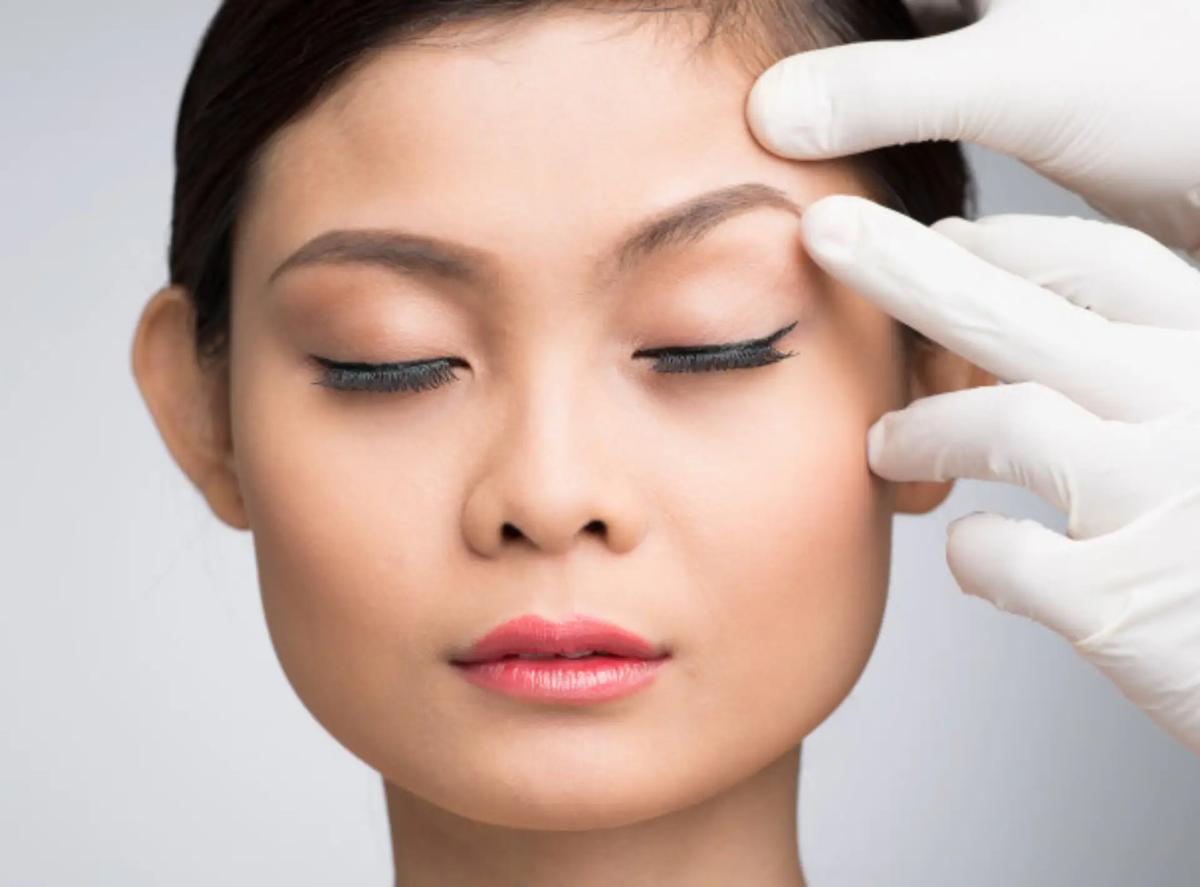
The eyes often act as the primary window through which we engage with the world, yet they are also among the first areas to show the natural passage of time. Many individuals notice that as years go by, the skin around their eyes loses its elasticity, leading to heaviness or persistent puffiness. This change can create a perpetually tired appearance, even when a person feels energetic and well-rested. Consequently, blepharoplasty in Dubai has gained significant traction as a solution for those looking to restore a more alert and youthful look to their face.
Beyond aesthetics, the motivation for this surgery is often deeply rooted in comfort and functionality. Excess skin on the upper lids can become heavy enough to sag over the lash line, potentially obstructing a person’s peripheral vision. By addressing these physical changes, the procedure serves a dual purpose: enhancing facial harmony while simultaneously removing the physical burden of redundant tissue that may interfere with daily activities.
Understanding the Surgical Process
The surgical journey typically begins with a thorough clinical assessment. A qualified surgeon examines the specific structure of the eyelids to determine if the patient requires attention to the upper lids, the lower lids, or a combination of both. Precision is central to this field of medicine. Incisions are strategically placed within the natural creases of the eyelid or along the lash line, ensuring that once healing is complete, the resulting marks are nearly imperceptible.
When focusing on the upper eyelids, the primary goal is the removal of sagging skin that contributes to a weary look. For the lower eyelids, surgeons often address fat deposits or bulges that create noticeable under-eye bags. In certain cases, a specialized approach known as the transconjunctival method is employed, where the surgeon accesses the area from behind the eyelid to manage fat without requiring any visible external incisions.
Navigating the Recovery Phase
Like any surgical intervention, allowing the body time to heal is essential for achieving the best possible outcome. While patients often feel ready to return to light duties within a week or two, it is important to remember that complete tissue integration and the settling of final results can take several weeks. During the initial days, some swelling and minor bruising are standard parts of the body’s healing response.
Medical professionals generally suggest a period of rest, advising against heavy lifting or intense exercise for the first fortnight. Protecting the area from direct sunlight and avoiding the use of eye makeup during the early stages of healing are also standard recommendations. By strictly adhering to these post-operative care guidelines, patients can help ensure their recovery remains as smooth and efficient as possible.
Financial and Professional Considerations
Investing in eyelid surgery is a significant personal choice, and understanding the financial aspect is part of the preparation. Costs in the region generally fluctuate based on the complexity of the procedure, the specific techniques required, and the level of expertise offered by the medical facility. Because each individual possesses a unique anatomy, clinics almost always insist on a preliminary consultation to assess the specific needs of the patient before providing a formal cost estimate.
Selecting the right professional is arguably the most important step in the process. It is advisable to prioritize surgeons who hold board certification and have a documented history of performing delicate ocular procedures. A great practitioner will spend time discussing realistic expectations and will be transparent about the limitations of the surgery.
Moving Forward With Confidence
For many residents and visitors in the region, this procedure represents a positive step toward feeling more confident in their own skin. By choosing to address concerns like drooping skin or chronic puffiness, individuals often report feeling more like themselves again. The combination of high-standard medical facilities and expert surgeons makes the city an ideal environment for those pursuing this type of specialized care.
Those interested in moving forward should schedule a consultation to talk through their personal goals. Focusing on an open dialogue with a medical expert ensures that any decision made is informed, safe, and aligned with individual anatomical requirements. Taking the time to understand the procedure thoroughly is the best way to ensure the final result meets personal expectations.


