
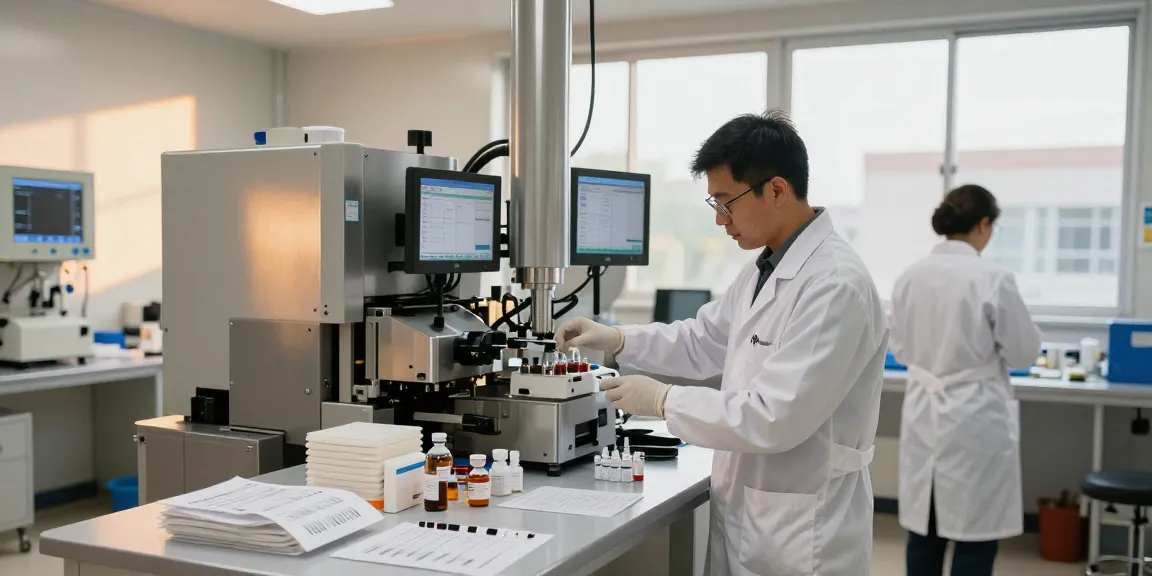
Understanding Pharmaceutical Manufacturing in South Africa
In the rapidly evolving pharmaceutical landscape, South Africa stands out as a key player, particularly in the realm of pharmaceutical manufacturing. With compliance to stringent regulations and a growing demand for innovative healthcare solutions, the country is home to several reputable pharmaceutical manufacturing company south africa. These companies not only produce domestic healthcare products but also cater to international markets, contributing significantly to the global supply chain.
What is a Pharmaceutical Manufacturing Company?
A pharmaceutical manufacturing company is an organization that produces medications and health-related products for distribution and consumption. The role of these companies extends beyond mere production; they ensure that all products meet strict regulatory standards and are effective, safe, and of high quality. In South Africa, pharmaceutical manufacturers must adhere to the guidelines set by the South African Health Products Regulatory Authority (SAHPRA), which oversees the approval and monitoring of pharmaceutical products in the market.
The Role of Pharmaceutical Contractors
Pharmaceutical contractors play a crucial role in this ecosystem, offering a range of services that include manufacturing, packaging, and warehousing. Companies like DivPharm specialize in pharmaceutical contracting services, enabling smaller and medium-sized companies to focus on research and development while outsourcing their production needs. This model not only reduces operational costs but also enhances efficiency and time-to-market for new products.
Regulatory Framework and Compliance Standards
In South Africa, regulatory compliance in pharmaceutical manufacturing is paramount. Manufacturers must comply with Good Manufacturing Practices (GMP) regulations, which are stringent guidelines aimed at ensuring the quality and safety of pharmaceutical products. SAHPRA conducts inspections and audits to confirm compliance, ensuring that manufacturers maintain high standards throughout the production process.
Key Services Offered by Pharmaceutical Manufacturing Companies
Pharmaceutical manufacturing companies offer a variety of services tailored to meet the specific needs of their clients. These services encompass everything from production to packaging, ensuring that a product is market-ready.
Overview of Contract Manufacturing Services
Contract manufacturing services allow pharmaceutical companies to outsource the production of their products to specialized manufacturers. This can include everything from manufacturing tablets and capsules to producing specialized oncology products. By leveraging contract manufacturers, companies can access advanced technologies and expertise without the need for significant capital investment.
Packaging Solutions for Pharmaceuticals
Effective packaging is critical in the pharmaceutical industry, not only for compliance but also for ensuring product integrity. Companies like DivPharm offer various packaging solutions, including blister packaging, cartoning, and even tamper-evident security seals. Each packaging method is designed to protect the product and provide essential information to the consumers.
Quality Assurance in Pharmaceutical Production
Quality assurance is a cornerstone of pharmaceutical manufacturing. Companies must implement rigorous quality control processes that include regular audits, testing of raw materials, and final product assessments. These measures ensure that all produced items adhere to the highest standards of efficacy and safety, thus safeguarding public health.
Innovations in Pharmaceutical Manufacturing
As the pharmaceutical landscape continues to evolve, innovation remains a driving force behind enhanced manufacturing processes. Companies are increasingly adopting new technologies to improve efficiency and safety in production.
Emerging Technologies in Production
Advancements in technology, such as automation and artificial intelligence, are impacting pharmaceutical manufacturing significantly. Automated systems reduce the risk of human error, while AI-driven analytics help in predicting demand and optimizing production schedules. Furthermore, the rise of advanced manufacturing techniques, like continuous manufacturing, is transforming how medications are produced.
Sustainability Practices in Manufacturing
With a growing emphasis on environmental responsibility, many pharmaceutical manufacturers are adopting sustainable practices. This includes reducing waste, optimizing resource use, and ensuring that production processes are as environmentally friendly as possible. Such initiatives not only help meet regulatory requirements but also resonate with a more eco-conscious consumer base.
Future Trends to Watch in 2026
Looking ahead to 2026, several trends are poised to shape the future of pharmaceutical manufacturing. The continued integration of digital technologies will likely enhance traceability and transparency across the supply chain. Moreover, an increased focus on personalized medicine may compel manufacturers to adapt their production methods to accommodate smaller batch sizes tailored to individual patient needs.
Challenges Faced by Pharmaceutical Manufacturers
Despite the advancements and innovations in the field, pharmaceutical manufacturers face numerous challenges that can hinder their operational effectiveness and product delivery.
Common Obstacles in Production and Compliance
Compliance with stringent regulations remains a significant challenge for many pharmaceutical manufacturers. Navigating the complex landscape of local and international regulations can be daunting, and failure to comply can result in hefty fines or product recalls. Additionally, maintaining consistent quality across batches while meeting production demands is an ongoing struggle.
Managing Supply Chain Risks
Supply chain disruptions can have a ripple effect on pharmaceutical production. Manufacturers must manage risks related to raw material shortages, transportation delays, and geopolitical tensions. Developing a resilient supply chain strategy is essential to mitigate these risks and maintain production continuity.
Addressing Market Competition
With an increasing number of players entering the market, competition is intensifying. Pharmaceutical manufacturers must differentiate themselves through innovation, quality, and cost-effectiveness. This often requires continuous investment in research and development to stay ahead of the curve.
Choosing the Right Pharmaceutical Manufacturing Partner
Finding a suitable manufacturing partner is crucial for pharmaceutical companies aiming to optimize their operations and ensure quality control. The partnership can significantly affect a company’s reputation and market success.
Criteria for Selecting a Manufacturing Company
When selecting a manufacturing partner, companies should consider factors such as regulatory compliance history, production capabilities, and technological expertise. It’s vital to assess whether the potential partner can meet the specific needs of the project and adhere to necessary regulations.
Evaluating Experience and Expertise
Experience in the pharmaceutical industry is a major indicator of a manufacturing partner’s ability to deliver quality products. Companies should look for partners with a proven track record in producing similar products and those that can demonstrate adherence to quality assurance standards.
Importance of Client-Centric Services
A successful partnership should be rooted in transparency and communication. Manufacturers who offer client-centric services, including flexibility in meeting changing demands and proactive problem-solving, are more likely to foster long-term relationships that benefit both parties.
What services do pharmaceutical manufacturing companies offer?
Pharmaceutical manufacturing companies provide a range of services, from contract manufacturing and packaging to quality assurance and regulatory compliance. These services are designed to streamline the production process and ensure the final product meets all required standards.
How do pharmaceutical contractors ensure compliance with regulations?
Pharmaceutical contractors maintain compliance through rigorous adherence to GMP guidelines, regular internal audits, and by staying updated with the latest regulatory changes from authorities like SAHPRA. This ensures that all manufactured products are safe and effective for public use.
What are the future trends in pharmaceutical manufacturing?
Future trends include increased digitalization in manufacturing processes, a focus on sustainable practices, and the rise of personalized medicines. These trends are expected to reshape how pharmaceutical products are designed, produced, and delivered to consumers.
Why is quality assurance crucial in pharmaceutical production?
Quality assurance is crucial as it ensures that pharmaceutical products are safe, effective, and meet the required standards. This process minimizes the risk of recalls and enhances consumer trust in the products being offered.
How to choose the right pharmaceutical manufacturing partner?
Choosing the right manufacturing partner involves evaluating their compliance history, production capabilities, technological investments, and their ability to provide client-centric services. Clear communication and mutual understanding of objectives are vital for a successful partnership.


