The Importance of School Bus Safety Advocacy
In Canada, school buses serve as a vital lifeline for millions of students each day, providing a reliable means of transport amidst a chaotic morning routine. Yet, despite their formidable safety record, recent incidents have sparked an urgent dialogue surrounding the safety measures in place for these vehicles. One notable advocate in this discourse is Jodi Ruta, a Manitoba school bus driver whose personal experiences have propelled her to the forefront of a campaign for improved safety standards. Through her advocacy, Ruta aims to address not only the physical safety of students but also the trust parents place in the school bus system. As her husband, Clinton Orr, emphasizes, “This conversation should have happened years ago.”
Understanding the Current Safety Landscape
Current statistics show that over two million students rely on school buses in Canada each day, which further underscores the necessity for rigorous safety standards. Historically, the safety of school bus transportation has been supported by data indicating a lower injury rate compared to cars or walking. However, this narrative does not negate the reality that risks do exist, including the potential for serious accidents. As we examine the safety landscape, it is crucial to assess not just past trends, but also how evolving vehicle designs and new safety technologies can contribute to a safer environment for young passengers.
The Role of Advocates in Community Safety
Advocates like Jodi Ruta play an essential role in transforming public perception and pushing for legislative changes regarding school bus safety. Their efforts extend beyond merely raising awareness; they actively engage with communities, prompting parents and educators to reassess current safety protocols. By bringing personal stories and statistical evidence to the forefront, these advocates help illuminate the often-overlooked challenges faced by school transportation systems, fostering a more informed and proactive approach to safety.
Key Statistics on School Bus Safety
- Rollover accidents are among the most dangerous, typically leading to severe injuries.
- In Ontario, between 1990 and 1995, there were over 1,000 school bus crashes annually, leading to over 100 student injuries in some years.
- Despite the risks, children who take the school bus are statistically less likely to be injured compared to their peers commuting by car or on foot.
Jodi Ruta’s Journey and Impact
The Accident that Sparked Advocacy
In 2023, Jodi Ruta was involved in a distressing accident while driving a school bus filled with children. Though there were no fatalities, the incident resulted in injuries and profoundly impacted Ruta’s view on safety protocols. This experience became a catalyst for her advocacy, igniting her passion for initiating substantial reforms in the bus safety framework. Ruta’s campaign encompasses various aspects, including enhanced communication about safety measures with parents and community members, and urging policy makers to consider new regulations based on contemporary research.
Community Engagement Strategies
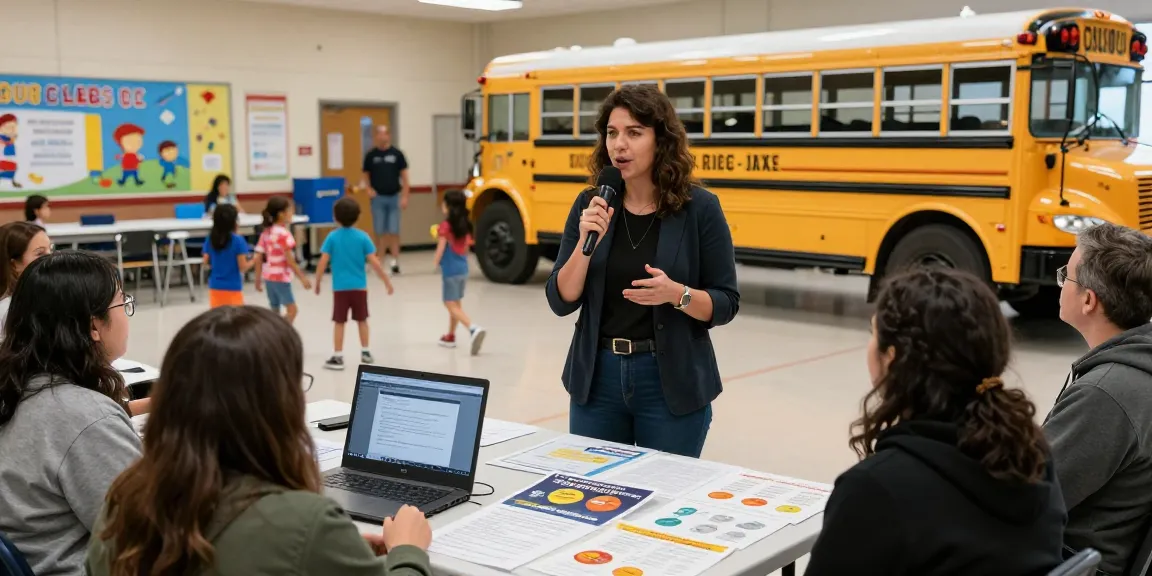
A critical aspect of Ruta’s campaign has been community engagement. She has organized informative sessions for parents, encouraging them to ask questions and voice their concerns. This grassroots approach seeks to create a dialogue between families and school boards, fostering a collaborative atmosphere where safety protocols are continuously assessed and improved. By galvanizing community support, Ruta hopes to create a unified front advocating for better safety standards.
Establishing Trust with Parents and Educators
A significant challenge faced by advocates is establishing trust with parents and educators. Many parents assume that school buses are inherently safe, given their long-standing safety record. However, Ruta argues that this trust must be complemented by ongoing improvements. By highlighting potential vulnerabilities and emphasizing actionable steps that can be taken, she aims to cultivate a sense of shared responsibility among all stakeholders. Building this trust is paramount for the long-term success of any advocacy campaign.
Core Areas of Focus in Safety Campaigns
Mandatory Seat Belts: Safety or Burden?
The debate surrounding mandatory seat belts on school buses remains contentious. Proponents argue that three-point seat belts could significantly enhance safety, particularly during high-impact or rollover accidents. Critics, however, cite concerns about implementation challenges, such as proper usage and potential complications in emergency evacuations. As Ruta’s campaign progresses, it seeks not to declare a definitive stance but rather to encourage thorough research and open discussion surrounding this topic.
Enhancing Driver Awareness and Training
Another area of focus in Ruta’s advocacy is the enhancement of driver training programs. The role of the bus driver is crucial in ensuring the safety of passengers, and comprehensive training can help prepare drivers for unexpected situations. This includes not only driving skills but also strategies to manage student behavior and foster a safe atmosphere on the bus. Part of Ruta’s initiative involves advocating for policies that mandate regular training updates and provide resources for drivers to stay informed about best practices.
Emergency Preparedness for School Buses
In terms of emergency preparedness, Ruta emphasizes the importance of having clear protocols in place. This includes drills for students on how to safely evacuate the bus in various scenarios, as well as ensuring that drivers are well-versed in emergency procedures. Awareness and preparation can significantly mitigate risks, and advocates argue that proactive measures are essential in enhancing overall safety standards.
Challenges and Misconceptions in Bus Safety
Understanding Rollover Risks
Rollover accidents, though not frequent, pose severe threats to student safety. These incidents often lead to significant injuries due to the nature of how bodies are thrown inside the vehicle during such events. Understanding the mechanics of these accidents and the potential for injury can help drive conversations surrounding the need for additional safety measures, such as improved vehicle design, reinforced structures, and possibly the inclusion of seat belts.
Myths vs. Facts About School Bus Safety
As discussions about school bus safety evolve, it is critical to address common myths. For instance, misconceptions about the safety of compartmentalization – the design approach used in school buses that involves high-backed seats – may lead to complacency among stakeholders. Challenges remain in communicating factual information regarding safety records and the ongoing need for vigilance and improvement.
Addressing Concerns About Seat Belt Implementation
Addressing the concerns related to seat belt implementation requires an open-minded approach. While some data suggests that three-point seat belts may not drastically alter the safety landscape, advocates maintain that their potential benefits in severe crash situations should not be dismissed. Conducting pilot programs and gathering data on varied implementations could help clarify their effectiveness within the school bus context.
The Future of School Bus Safety Standards
Innovations and Technology in Bus Design
As we look towards the future, innovations in bus design offer promising enhancements to safety standards. Advances in materials and engineering, such as stronger frames and improved safety systems, may contribute substantially to protecting school bus passengers. Additionally, the integration of technology—such as collision avoidance systems—could revolutionize how we approach school bus safety.
Policy Changes on the Horizon
With advocates like Jodi Ruta leading the charge, policy changes regarding school bus safety may soon emerge. Ongoing discussions at government levels could lead to new regulations that reflect contemporary understanding of safety needs. The combination of community advocacy and empirical research is critical in supporting these changes, ensuring they are grounded in the realities of today’s transport environment.
The Role of Community in Shaping Future Regulations
The role of the community in shaping future regulations cannot be overstated. By engaging in local discussions, attending school board meetings, and collaborating with advocacy groups, parents and community members can influence the direction of safety protocols. Advocacy is a collective effort, and when families come together, their voices can drive significant change in how school bus safety is prioritized and addressed.
What are the main safety concerns for school buses?
Main safety concerns for school buses encompass various aspects, including the need for mandatory seat belts, the risk of rollover accidents, and the adequacy of driver training programs. Addressing these concerns through advocacy and community engagement is vital for enhancing safety measures.
How can parents get involved in safety advocacy?
Parents can get involved in safety advocacy by participating in school board meetings, voicing their concerns, and collaborating with local advocacy groups. Engaging in discussions about safety protocols and encouraging transparency in communications can help foster improvements in safety standards.
What are the latest statistics on school bus safety?
Recent statistics indicate that school buses remain one of the safest modes of transport for children. However, it is essential to continually assess and refine safety standards using current data—including accident rates and injury statistics—to ensure the safety of young passengers.
Are seat belts necessary in school buses?
The necessity of seat belts in school buses is a contested issue. While some argue they enhance safety, others cite concerns regarding their effectiveness and the implications for emergency evacuations. A balanced discussion that considers empirical data and practical scenarios is essential for determining the best approach.
What steps are being taken to improve bus safety?
Steps being taken to improve bus safety include community advocacy campaigns, policy discussions around regulations, and the implementation of new safety technologies. Advocates like Jodi Ruta continue to lead these efforts, emphasizing the importance of staying proactive in addressing safety measures.